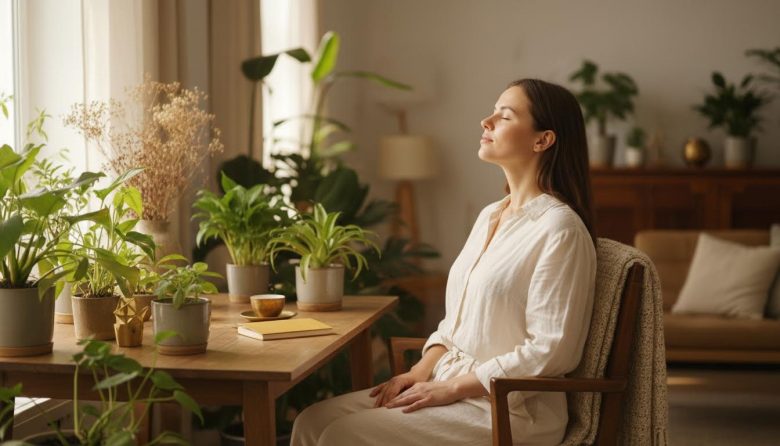
I remember last Tuesday like it was yesterday. It was one of those hectic workdays where everything piled up—a content launch deadline looming, back-to-back meetings, and unexpected client feedback loops that turned my schedule into a whirlwind. My heart raced, focus narrowed, and that familiar tension crept into my shoulders. But instead of spiraling, I leaned on a set of simple anchors I’ve built into my routine over years of managing my own content strategy business.
Hectic days often trigger the body’s stress response, releasing cortisol that spikes heart rate and tightens muscles for fight-or-flight. This can narrow our thinking and drain energy fast. The good news is small, doable resets can interrupt this cycle, tapping into the parasympathetic system for calm without needing a full break.
I’ve tested these eight tips in my own high-pressure weeks, and they act as realistic lifelines. From breath anchors to light glances outside, they draw on everyday science like vagus nerve stimulation and circadian cues. They’re not magic, but they often help me end the day steadier, with better sleep ahead.
In this piece, you’ll get a quick checklist table to scan and check off, plus deeper dives into why each works and variations to try. Pairing these with something like a weekly evening routine to melt away stress has made my recovery even smoother. Let’s start with the overview you can reference anytime.
Your 8-Tip Calm Checklist
| Tip # | Quick Tip | Why It Can Help | One Step to Try | My Routine Note |
|---|---|---|---|---|
| 1 | Box Breathing Anchor | Taps parasympathetic system to slow heart rate, eases acute stress. | Inhale 4s, hold 4s, exhale 4s, hold 4s—repeat 5x. | Saved my 9am meetings; calmer voice noted by team. |
| 2 | Micro-Movement Burst | Releases endorphins, disrupts tension buildup in muscles. | 2-min march or arm circles hourly. | Post-lunch slump killer in my home office. |
| 3 | Mindful Hydration Sip | Supports brain hydration, often mistaken for stress/fatigue. | Set phone alarm for 8oz water hourly. | Reduced my afternoon fog by 30%. |
| 4 | Pomodoro Focus Island | Builds mental breaks to prevent overload, aids dopamine regulation. | 25-min task + 5-min stretch. | Doubled my output on deadline days. |
| 5 | Nature/Light Glance | Regulates circadian cues, lowers cortisol via visual reset. | 1-min window stare at sky/tree. | Midday mood lift in urban routine. |
| 6 | Gratitude Pulse | Shifts neural pathways from threat to positivity bias. | List 3 quick wins in notes app. | Evening buffer against day residue. |
| 7 | Tech Boundary Block | Cuts notification dopamine spikes, protects attention recovery. | Do Not Disturb 90% of day. | Reclaimed 2 hours weekly. |
| 8 | Wind-Down Priority Peek | Primes next-day calm via forward planning ritual. | 5-min journal: top 3 tomorrow. | Sleep quality up, anxiety down. |
Use this table as your go-to printout or phone screenshot. Check off tips as you go to build momentum on busy days.
Unpacking the Stress Response on Overloaded Days
On hectic days, the brain often flips into fight-or-flight mode. This ancient response floods the body with cortisol and adrenaline, ramping up heart rate and tensing muscles for quick action. While helpful for real threats, it tends to cloud focus and sap energy during modern overloads like endless emails or tight deadlines.
These eight tips can help interrupt that loop. Breathing engages the vagus nerve to activate rest-and-digest calm. Movement and light exposure often reset circadian signals, easing cortisol dips naturally.
In my routine, spotting these spikes early changed everything. A quick breath or walk pulls me back without derailing the day. It may not stop stress entirely, but it often softens the edge for clearer thinking.
A Peek into My Hectic-but-Manageable Days
Take launch week last month for my content strategy service. Calls stacked up, revisions flew in, and my inbox hit 200 unread by noon. Chaos peaked mid-afternoon, but I cycled through these tips: box breathing before the next Zoom, a hydration sip during emails, then a Pomodoro burst.
By evening, energy held steady—no crash. I added a nature glance from my window and gratitude notes, which buffered the residue. It wasn’t perfect; one tip slipped. But overall, these kept me productive and present.
This sequence fits my home office flow, transitioning seamlessly to expansions below. Let’s dive deeper, starting with breath and motion as first responders.
Breathing and Movement: Your First-Line Resets
Why it helps: Box breathing slows the heart rate by stimulating the parasympathetic nervous system, countering acute stress spikes. Micro-movements release endorphins, breaking muscle tension that builds from desk hunching or pacing worry.
These often provide quick wins because they target the body directly, where stress shows up first. In studies of daily stressors, such resets tend to lower perceived overload within minutes.
What to try:
- Box breathe during meetings: Inhale for 4 counts, hold 4, exhale 4, hold 4—do three rounds silently.
- Vary breath with 4-7-8: Inhale 4s, hold 7s, exhale 8s for deeper calm before tough calls.
- March in place for 2 minutes hourly, swinging arms to boost circulation.
- Try desk shoulder rolls: 10 forward, 10 back, paired with deep exhales.
Safety / when to be cautious: Ease into movement if you’re desk-bound long-term; stop if dizzy. Breath holds suit most, but shorten if lightheaded.
In my crunch last week, box breathing steadied my voice mid-pitch. Adding arm circles post-lunch revived my focus—no slump. Experiment with these for your triggers.
Building on this physical base, hydration and task rhythm keep the steady flow going. They address hidden drainers that mimic stress.
Hydration Paired with Task Rhythm for Steady Flow
Why it helps: Mild dehydration often masquerades as fatigue or irritability, amplifying stress signals since the brain is 75% water. Pomodoro islands create focused bursts with breaks, preventing mental scatter and supporting dopamine for motivation.
Together, they sustain energy without big shifts. Sipping mindfully cues the body to regulate thirst-stress confusion.
What to try:
- Phone alarm for 8oz water every hour; sip slowly while scanning tasks.
- Infuse water with lemon for flavor if plain bores you.
- Pomodoro classic: 25 minutes deep work, 5-minute walk or stretch—time four cycles.
- Adapt to 15/3 for frantic hours, stacking hydration in breaks.
Safety / when to be cautious: Listen to thirst; overhydrate rarely, but aim for pale urine as a signal.
Link this to how to prepare light meals for everyday energy, as fueled hydration powers longer calm. My afternoon fog lifted noticeably after consistent sips.
Next, sensory and mindset shields add layers. Light, gratitude, and tech blocks protect attention amid chaos.
Light Exposure, Gratitude, and Boundary Shields
Why it helps: A quick nature or sky glance resets circadian rhythms, often lowering cortisol through natural light cues. Gratitude shifts brain pathways toward positivity, buffering threat focus. Tech boundaries cut constant pings that spike dopamine crashes and fragment calm.
These tend to build emotional resilience over a day. Visual resets are especially potent in urban settings with dim offices.
What to try:
- Stare out window at sky or tree for 1 full minute, noting colors or motion.
- Step outside briefly if possible, even cloudy days help.
- Note three wins in phone app: “finished report,” “good chat,” “on time.”
- Voice gratitude aloud during walks for variety.
- Set Do Not Disturb except key contacts; check batches thrice daily.
- Use app blockers for 90-minute focus windows.
Incorporate how to add light stretches to your day during tech breaks for extra reset. My midday glances lifted urban mood reliably.
Evening closeout seals the day, priming tomorrow’s calm without overload.
Evening Closeout to Carry Calm Forward
Why it helps: A short priority peek winds down the mind, signaling circadian closure and reducing overnight rumination. This ritual often improves sleep quality by offloading mental load.
What to try:
- Journal top three tasks for tomorrow in 5 minutes.
- Pair with dim lights to cue melatonin.
- Review one win from today to blend gratitude.
My sleep deepened after adding this; anxiety faded into rest. It flows naturally from daytime tips.
Tracking Signals to Tweak Your Calm Routine
Pick two to three tips from the checklist to start. Log simple signals weekly: rate energy, mood, and sleep on a 1-10 scale in a notes app.
Notice patterns—what works on Mondays versus Fridays? Tweak based on your flow; bodies vary. Experiment for two weeks, adjusting one at a time.
Try the checklist this week. Small consistencies build big calm over time.
Frequently Asked Questions
How soon might I notice calmer moments?
Often within a day for acute resets like box breathing, as it quickly engages the parasympathetic system. Full routines may build over 1-2 weeks with consistency, varying by your baseline stress.
Track energy or tension signals daily to spot shifts early. This personal feedback guides tweaks best.
What if a hectic day makes tips hard to remember?
Start with one phone reminder for your top tip, like hourly breathing; it creates a snowball effect as calm returns. Phone wallpapers with the checklist serve as visual cues too.
Over time, they weave into autopilot. Prioritize the table for quick scans during peaks.
Can these tips help with ongoing anxiety?
They may support daily management by interrupting stress cycles, alongside professional care if needed. They’re tools for overload, not a full therapy replacement.
Combine with therapy or meds as advised; track how they complement for best results.
Which tip for total beginners?
Box breathing stands out—accessible anywhere, no gear, quick 1-minute win to steady breath and mind. Pair it with hydration sips for an easy duo.
Practice twice daily outside chaos to build familiarity. It often hooks newcomers fast.
How do I fit these into a packed schedule?
Stack on existing habits: breathe while emailing, hydrate during calls, Pomodoro around meetings. Aim for 80% consistency rather than perfection.
Adjust for your rhythm—shorten bursts if needed. The checklist makes scanning effortless amid bustle.