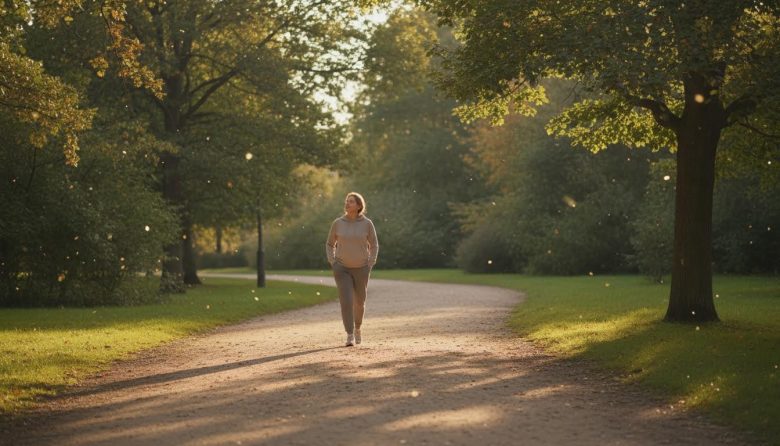
I remember the week I swapped my grueling gym sessions for simple neighborhood walks. My energy crashed less by mid-afternoon, and I slept deeper without the post-workout ache. That shift came during a hectic stretch of deadlines, when forcing intense exercise just amped up my stress. Light walks, paired with intentional rest days, often help dial down the body’s stress response, promoting steady endorphin flow without overload.
This easy weekly plan builds on that discovery. It features light walks four or five days a week, with two or three rest days for true recovery. Busy readers like you can slot it in without overhauling your life—think 15 to 30 minutes most days. Experiment for a couple of weeks, tracking your mood or energy on a quick note in your phone, and notice what sticks.
Why Light Walks Spark Daily Energy Without the Burnout
Gentle walking tends to sync with your circadian rhythm, the body’s internal clock that influences energy peaks and dips. When you move lightly outdoors, natural light exposure helps regulate this rhythm, often leading to better daytime alertness and evening wind-down. Studies on moderate movement show it boosts blood flow to the brain, easing mental fog without spiking cortisol like high-intensity efforts can.
In my routine, starting days with a 20-minute walk after coffee keeps my focus sharp through meetings. It nudges endorphins gently, avoiding the burnout crash I used to hit. This approach often helps sustain mood stability, especially for those with desk-bound schedules.
Blood sugar also evens out from the steady pace, preventing those energy slumps. Pairing it with simple daily plan for light healthy eating amplifies this, as steady fuel supports the walk’s benefits. Over time, many notice fewer cravings and more consistent vitality.
Rest Days That Recharge: The Role of True Recovery
True rest allows muscles to repair micro-tears from daily activity, reducing inflammation quietly in the background. Cortisol, the stress hormone, often drops on off days, paving the way for better sleep and mental clarity. Active rest—light stretches or breathing—beats total couch potato mode, as it promotes circulation without strain.
In my off-days, I skip the treadmill but do a 10-minute body scan meditation. This has cut my lingering fatigue, letting me tackle weekends fresher. Evidence suggests such recovery supports long-term adherence to movement routines.
Without rest, the body stays in constant repair mode, which can sap energy reserves. Intentional pauses recharge the nervous system, often improving next-day performance. It’s about balance, not idleness.
Building Momentum: Your Customizable 7-Day Starter Blueprint
This blueprint alternates light walks with rest to build habits without overwhelm. Customize based on your week—swap days if needed, but aim for consistency. Start small, using the checklist below to track progress visually.
Print it or screenshot for your fridge. Note your mood or energy post-activity to spot patterns. This sets up momentum gently.
Sample Weekly Light Walks and Rest Days Checklist
| Day | Primary Focus | Activity Suggestion | Duration | Track Signal (Mood/Energy) |
|---|---|---|---|---|
| Monday | Light Walk | Flat neighborhood loop, steady pace | 20 minutes | Mood post-walk (1-5 scale) |
| Tuesday | Light Walk | Park path with podcast | 25 minutes | Energy at lunch |
| Wednesday | Rest | Gentle full-body stretches | 10 minutes | Evening calm level |
| Thursday | Light Walk | Sidewalk figure-eights near home | 20 minutes | Mood mid-afternoon |
| Friday | Light Walk | Errand-walking combo | 15-30 minutes | Weekend readiness |
| Saturday | Rest | Breathwork or reading | 15 minutes | Sleep quality preview |
| Sunday | Light Walk | Slow backyard or street stroll | 20 minutes | Weekly energy average |
5 Ways to Tweak Walks for Your Neighborhood and Schedule
Here are actionable tweaks I’ve tested in my routine:
- Time your loops to coffee breaks— a 15-minute post-meal walk aids digestion, much like tips in how to eat slowly for better digestion and relaxation.
- Pair with audio books or calls to fit errands, keeping pace light under 3 mph.
- Choose hill-free routes first; add gentle inclines later if energy holds.
- Walk during lunch for midday reset, noting how it curbs afternoon slumps.
- End with a seated pause, breathing deeply to extend calm—track if mood lifts.
These keep walks realistic for urban or suburban setups. Experiment one per week, logging signals like steadier focus.
Simple Home Rituals to Make Rest Days Feel Restorative
Boost rest with these doable ideas from my weekly resets:
- Try 4-7-8 breathing: inhale 4 seconds, hold 7, exhale 8—often eases tension fast.
- Do floor-based stretches like child’s pose, holding 30 seconds each.
- Dim lights an hour early, swapping screens for herbal tea and journaling.
- Incorporate how to incorporate short pauses for midday calm even on rest days for layered recovery.
- Listen to ambient sounds while lying down, aiming for full presence.
These rituals recharge without effort. I’ve found they deepen sleep, making Monday walks feel effortless. Track how your body responds over days.
A Real-Life Win: How This Plan Fit My Hectic Weeks
Before this, my weeks blended endless runs with crash recoveries—energy yo-yoed. Switching to light walks and rest, I handled back-to-back calls without fading. Challenges like rain? I marched indoors.
After two weeks tracking, my average mood score jumped from 3 to 4.5. It proved small consistency trumps intensity for my lifestyle. Yours might vary—tweak freely.
Safety Notes: Tuning In to Your Body’s Signals
Listen for joint twinges or unusual fatigue—shorten walks or rest extra. Dress for weather to avoid chills. If you have health conditions, chat with a doctor before starting.
Stay hydrated and fueled; ease in if new to movement. This keeps things sustainable.
FAQ: Your Light Walks and Rest Days Questions
How long should my light walks really be?
Often 15-30 minutes suffices for most, syncing movement with natural energy without fatigue. Track your post-walk energy—if it dips, trim to 10 minutes initially. Adjust based on how your body signals refreshment.
Can beginners jump into this weekly plan?
Yes, beginners can start by halving durations or adding an extra rest day. Listen to your body for any strain, building pace gradually. Consistency over perfection helps form the habit safely.
What if bad weather hits my walk days?
Swap for indoor marching in place or gentle pacing around your home. Use it as bonus rest if needed—the plan flexes for life. Track indoor energy to compare.
Will rest days make me lose fitness gains?
Rest tends to support long-term consistency and prevents overtraining, preserving gains better than daily grind. Light walks maintain baseline fitness. Monitor strength weekly for reassurance.
How do I know if the plan is working for me?
Track sleep quality, daily mood, and energy weekly—improvements signal success. If no shift after two weeks, tweak walks or rest ratios. Personal variation is normal; experiment patiently.
Grab that checklist, give this plan two weeks, and log your wins. Small shifts like these often build lasting calm and vitality in everyday life.