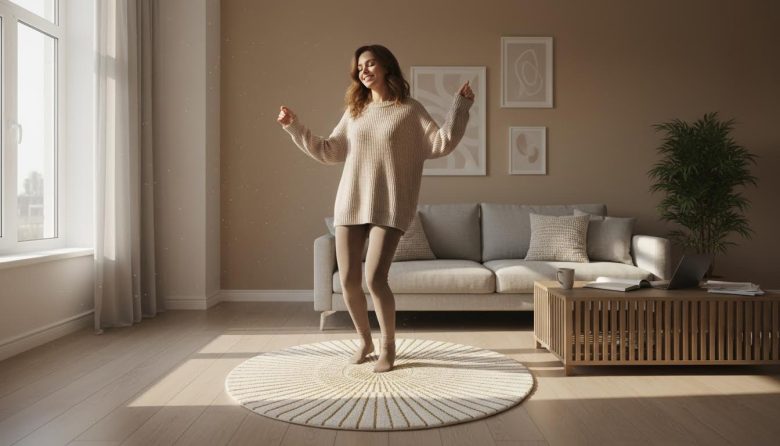
Picture this: last Tuesday, my calendar was crammed—back-to-back meetings, a looming deadline, and errands stacked up. Instead of forcing a gym session that I’d dread, I cranked up my favorite playlist during my coffee break and did a two-minute kitchen dance. That quick burst left me grinning and focused for hours. Moments like these remind me why fun movement beats rigid routines for busy lives.
Fun movement sustains habits because it taps into enjoyment, making it easier to stick with over time. Structured workouts often lead to burnout if they feel like chores, but playful activities spark dopamine, that feel-good chemical, encouraging repetition. Research on habit formation shows enjoyment predicts long-term adherence better than intensity alone. I’ve tested this in my own routine, swapping forced runs for joyful walks, and it transformed my consistency.
In the sections ahead, I’ll share realistic tweaks drawn from science-informed wellness practices. These ideas layer movement into your day without overhauling your schedule. You’ll find personal tips I’ve refined through trial and error. Try one today, then track your energy levels over the next few days—what shifts do you notice in your mood or focus?
Why Playful Movement Often Outshines Structured Gym Time
Playful movement often outshines gym routines because it releases endorphins, which help reduce stress and elevate mood without the pressure of performance goals. Enjoyable activities trigger dopamine, reinforcing the habit loop and making it sustainable for busy schedules. This approach can help counteract the sedentary pull of modern life, where sitting dominates.
In my routine, I swapped evening runs for walks while listening to podcasts. The mood lift was immediate—no burnout, just steady energy. This simple switch kept me moving five days a week, something structured sessions rarely achieved.
What to try:
- Themed walks: Pick a neighborhood spot and walk while spotting “treasures” like unique architecture—turns a stroll into a game.
- Playlist shuffles: Dance to three random songs during lunch, matching moves to beats for variety.
- Skill challenges: Practice simple tricks like balancing on one foot while brushing teeth, building play into hygiene.
These keep things light and doable. Start with one to build momentum.
Layer Joyful Moves onto Your Morning Coffee Ritual
Mornings run on autopilot for most of us—coffee brewing, quick breakfast. Layering movement here leverages that momentum without adding time. It can gently wake your circadian rhythm, signaling your body it’s time to rev up.
I’ve made my alarm a cue for a five-minute dance routine. Swaying to upbeat tunes while the coffee perks sets a calm, energized tone for the day. No equipment, just joy, and it consistently boosts my focus.
What to try:
- Air squats while the kettle boils—10 slow ones, focusing on breath.
- Arm circles and marches in place during your first sip—loosens shoulders from sleep.
- Wall push-ups leaning on the counter—pairs with cream stirring.
- Torso twists side-to-side as you wait for toast—engages core playfully.
Safety / when to be cautious: If you’re new to movement or have joint concerns, ease in with fewer reps and focus on form. Stop if anything feels off.
Transform Desk Drudgery into Sneaky Play Breaks
Desk time traps us in stillness, but light interruptions can boost circulation and mental clarity. Short bursts align with ultradian rhythms, natural energy cycles of about 90 minutes, refreshing focus. Fun elements make these breaks addictive rather than obligatory.
During email checks, I do shadow boxing—quick jabs at the air. It shakes off tension without leaving my chair, often sparking creative ideas afterward.
What to try:
- Seated leg lifts under the desk, pulsing to a mental beat.
- Shoulder rolls with deep breaths between paragraphs.
- Finger stretches and wrist circles during calls—prevents stiffness.
- Standing desk hops: Gentle bounces while reading reports.
- Chair twists: Rotate torso side-to-side, gazing out the window.
These fit hidden gaps, turning drudgery into delight. When considering how to unwind quickly after work stress, sneaky desk play keeps tension low all day.
Quick Fun Movement Matches for Your Day Slots
| Time Slot | Fun Activity | Duration (mins) | Gear Needed | Energy/Mood Perk |
|---|---|---|---|---|
| Morning Rush | Kitchen Dance Party | 3 | None | Wake-up joy boost |
| Midday Slump | Desk Shadow Boxing | 2 | None | Focus refresh |
| Afternoon Break | Stair Skip Challenges | 4 | Stairs | Endorphin spike |
| Errand Run | Power-Walk Podcast | 10 | Phone | Mood elevation |
| Evening Wind-Down | Yoga Flow to Tunes | 5 | Mat optional | Calm recharge |
| Weekend Buffer | Park Hopscotch Game | 8 | None | Playful reset |
This table matches options to your slots for easy picks. Scan and slot one in today—watch how it fits seamlessly.
Turn Commutes and Errands into Unexpected Adventures
Daily treks like commutes or store runs offer untapped movement potential. Adding play builds incidental activity, which studies link to better overall health without gym time. It shifts mindset from chore to chance for fun.
My tweak: Power-walks to the store with podcasts. Steps doubled effortlessly, and errands felt lighter. This incidental boost sustains my weekly totals without extra planning.
What to try:
- Park farther and hopscotch sidewalk cracks—nostalgic and sneaky steps.
- Take stairs two-at-a-time in parking garages, racing yourself.
- Bike or walk short commutes, narrating your “journey” aloud.
- Grocery lunges between aisles—slow and controlled for stability.
These turn necessities into adventures. Experiment to find your favorites.
Evening Unwinds That Blend Movement with Relaxation
Evenings beg for gentle movement to cap the day, easing into rest. Pairing it with relaxation supports the parasympathetic nervous system, promoting recovery. For those exploring a weekly evening routine to melt away stress, this adds flow without fatigue.
What to try:
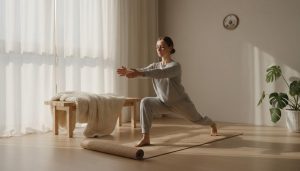
- Yoga flows synced to slow music—child’s pose to warrior.
- Balcony stretches under stars, breathing deeply.
- Partner walks around the block, chatting freely.
Safety / when to be cautious: If fatigued, opt for restorative poses and listen to your body—scale back as needed.
I’ve woven these into post-dinner time, smoothing into sleep. They prevent evening slump effectively.
Weekend Play Plans That Recharge Without Overload
Weekends recharge best with low-pressure play, avoiding the all-or-nothing trap. Batching fun sustains energy without overload, aligning with recovery needs. This keeps momentum from weekdays rolling.
One of my go-tos: Hike with a scavenger hunt app. It’s exploratory, not exhaustive, leaving me refreshed.
What to try:
- Neighborhood bike loops with photo stops.
- DIY obstacle course in the yard—jumps and crawls.
- Swim laps turned into games like breath-holding challenges.
- Friend frisbee tosses in the park—social and active.
Pick one per weekend. Track mood and sleep shifts to refine—does it leave you buzzing or balanced?
Fun movement fits because it’s forgiving and flexible. Over weeks of testing these in my routine, energy steadied and stress dipped. Notice how pairing play with habits like coffee or errands amplifies results. If digestion plays into your energy, consider how to choose foods that promote easy digestion for full synergy.
Start small: Choose two ideas from this article, slot them into tomorrow, and journal energy, mood, or sleep afterward. Adjust based on what clicks. Your schedule deserves this spark—your body will thank you.
How little movement can still make a difference in a busy week?
Often, 10-20 minutes daily accumulates benefits like improved mood and energy, as short bouts trigger similar responses to longer sessions. Variation exists—some feel perks from even five-minute bursts. Track your personal signals like sustained focus or better rest to gauge impact.
What if I hate traditional exercise—does “fun” really work for everyone?
Fun movement tends to help most by boosting adherence through enjoyment, sidestepping dread. It may not suit all personalities, but trying three types—like dancing, walking games, or skill play—often uncovers a fit. Acknowledge your preferences; tweak until it feels right.
Can I fit this in with kids or family chaos?
Absolutely—turn it communal with family dance-offs or group walks to the park. Start small, like post-dinner tag in the yard, to weave everyone in without extra hassle. These shared moments build bonds alongside movement.
Is there a risk of injury starting playful movement?
Risk stays low with gradual starts and body awareness, focusing on controlled fun. Caution applies if you have joint issues or conditions—consult a doctor first and prioritize form. Warm up lightly to stay safe.
How do I know if it’s working for my schedule?
Monitor simple signals: steadier energy, lighter mood, or improved sleep quality over a week. Note patterns in a quick journal—what times or activities deliver the best lift? Adjust based on your feedback for ongoing wins.