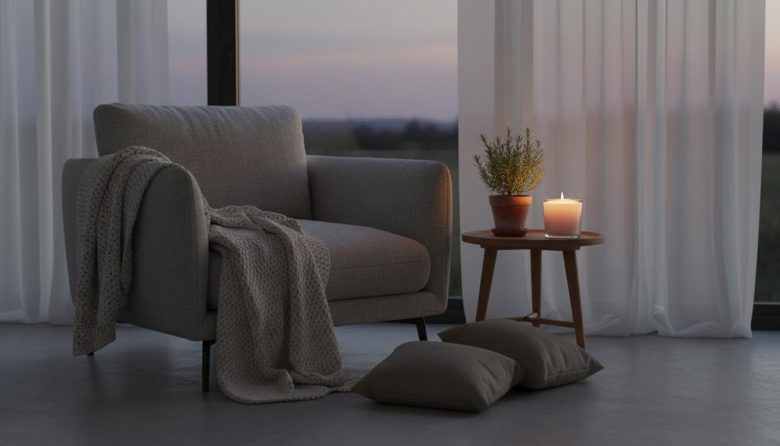
Picture this: It’s 8 p.m., and you’re finally home after a long day. The kids are settled, emails are checked, but your mind races like it’s still at the office. You collapse on the couch, scroll through your phone, and wonder why relaxation feels so out of reach.
A cozy home relaxation corner can change that. It creates dedicated cues that signal your body it’s time to unwind, often helping lower cortisol levels through familiar, soothing surroundings. Studies suggest these setups support the shift from stress mode to rest by tapping into your nervous system’s response to consistency.
For busy folks like you, setting one up takes under an hour with items you likely have. You’ll layer simple elements—soft seating, gentle light, a hint of nature—to build a spot that invites calm. Think quick wins: sink in for 10 minutes post-dinner and notice your shoulders drop. Let’s walk through it step by step, with real-life tweaks for your space.
Why a Dedicated Relaxation Corner Eases Your Daily Stress
Your nervous system thrives on predictable signals. A dedicated corner acts like a gentle anchor, cueing the parasympathetic response—the “rest and digest” mode—that counters daily fight-or-flight tension. Familiar textures and dim light often help shift your autonomic balance, easing the stress response built up from work or chores.
Consider Sarah, a teacher who carved out a nook by her bedroom window. After grading papers, she’d sit there for five minutes. Over weeks, she slept better, reporting less evening rumination. Research on environmental cues backs this: consistent spots may reinforce relaxation habits by associating them with calm.
This isn’t about perfection. It tends to work because it removes decision fatigue—no hunting for a comfy spot. Pair it with habits like those in A Beginner’s Guide to Gentle Breathing Practices, and you amplify the effect without extra effort.
The beauty lies in its simplicity for busy schedules. It builds lasting calm through tiny, repeated visits rather than grand overhauls. You’ll likely notice steadier energy as your body learns to downshift here.
Scout Your Ideal Nook: Location Tips for Maximum Calm
Start with quiet. Pick a corner away from high-traffic areas like the kitchen or front door to minimize interruptions. Natural light access helps too, as morning sun or evening dusk can sync your circadian rhythm gently.
Try these three spots for quick wins:
- A windowsill or bay window—soft daylight filters in without glare.
- A closet conversion—close the door for instant privacy, ideal for apartments.
- Under the stairs—cozy and tucked away, perfect for homes with kids.
Measure first: aim for at least 4×4 feet to avoid feeling cramped. Test by sitting there for two minutes; if it feels peaceful, it’s a keeper. This setup often fosters deeper calm by creating a low-stimulation zone.
Transition smoothly to comfort by clearing clutter next. An empty nook invites personalization without overwhelm.
Build Layers of Comfort: Seating and Textures That Invite Sinking In
Comfort starts low to the ground. Floor cushions or a pouf encourage a grounded posture that tactile input from soft fabrics can soothe your skin’s sensory receptors, signaling safety to your brain.
Here are four easy swaps using everyday items:
- Layer old pillows with a fleece throw for nest-like support.
- Drape a knit blanket over a footstool—warmth promotes muscle release.
- Add a yoga bolster if you have one; otherwise, stack cushions.
- Incorporate a sheepskin rug for gentle foot massage vibes.
Textures matter: fuzzy or smooth ones often calm over scratchy fabrics. Think of it like petting a soft animal—your nervous system responds with ease. Real-life win: Mark, a remote worker, used spare beach towels and felt instant relief after Zoom calls.
Build from here to lighting for full immersion. These layers make sinking in effortless, turning your nook into a hug for your body.
Craft a Gentle Glow: Lighting Choices for Soothing Ambiance
Warm, low light mimics sunset, supporting your circadian rhythm without harsh blue tones. Dimmers or salt lamps diffuse light softly, which may help melatonin rise naturally in evenings.
What to try:
- String lights draped loosely for twinkly warmth.
- Colored bulbs in amber or soft pink—avoid bright white.
- A beeswax candle for flicker that soothes (extinguish fully after use).
Safety note: Keep flames away from fabrics and never leave unattended; opt for battery LEDs if mobility is a concern. This glow often eases eye strain from screens, paving the way for habits like those in How to Enjoy Relaxed Evenings Without Screens.
Layer it over your seating for cozy contrast. Now, let’s assemble it all.
5 Simple Steps to Assemble Your Cozy Corner
- Clear and measure your spot (10 mins). Sweep away dust, note dimensions, and envision flow—plenty of room to uncross legs without bumping.
- Add base layer (seating/textures). Arrange cushions and throws first; fluff them to invite settling in right away.
- Layer lighting and ambiance. Plug in dim lights or place lamps; test the glow at dusk for that perfect hush.
- Incorporate personal/sensory elements. Add a plant or scent next—details coming up—to make it yours.
- Test and tweak with a 5-min trial sit. Close eyes, breathe deeply; adjust heights or swap fabrics until it feels just right.
These steps take 30-45 minutes total. They’re flexible—skip or adapt as needed. Many find the ritual itself sparks calm, setting a positive tone.
Weave in Nature and Scents: Subtle Sensory Boosts
Plants bring life. A low-maintenance pothos or snake plant oxygenates lightly and visually softens space, often linking to biophilia—our innate calm from greenery.
For scents, a diffuser with lavender or chamomile may ease tension via aroma pathways to the brain. What to try:
- Hang trailing ivy for air-purifying calm.
- Place a reed diffuser—subtle, no flame needed.
- Add fresh citrus peels in a bowl for uplifting notes.
Caution: Test for allergies first; ensure good ventilation if using oils, especially around pets. Tie in hydration—keep a water bottle nearby for sips that steady nerves. This rounds out senses, much like tips in Everyday Tips to Ease Tension Naturally.
From here, habits keep it thriving.
Keep It Fresh: Easy Habits for Lasting Use
Rotate elements seasonally—a lighter throw in summer. Dust weekly during your morning sweep to maintain that fresh feel.
Build rituals: Visit post-dinner for 10 minutes of reading or quiet. Track simple signals like mood or energy in a notes app; note what works.
Gentle encouragement: Experiment freely. Even inconsistent use tends to build calm over time. You’ll likely crave it as evenings unwind easier.
Safety integrated: Ensure clear paths for mobility; choose stable seating if balance is an issue. This nook becomes a reliable reset for busy days.
Frequently Asked Questions
How small can my relaxation corner be?
Even a 4×4-foot spot works well for many, like a chair-plus-side-table setup. It varies by your needs—cramped feels off, so test comfort first. Focus on functionality over size for calm to emerge.
Do I need to spend a lot on fancy items?
No, start with household finds like pillows and lamps—many refresh theirs for under $20. Acknowledge your budget; thrift stores offer gems. Splurge only on durable favorites later.
What if I have pets or kids?
Set soft boundaries, like a mat edge or “quiet zone” sign. Choose washable, chew-proof fabrics for durability. Involve them briefly to build positive associations without chaos.
How often should I use it?
Experiment with 10 minutes daily; evenings track best for mood shifts. Listen to your energy—some thrive on mornings too. Consistency matters more than perfection.
Can this help with sleep issues?
It may support wind-down routines by cueing rest, but varies widely. Combine with sleep hygiene like consistent timing. Consult a doctor for persistent troubles; this complements, doesn’t replace.