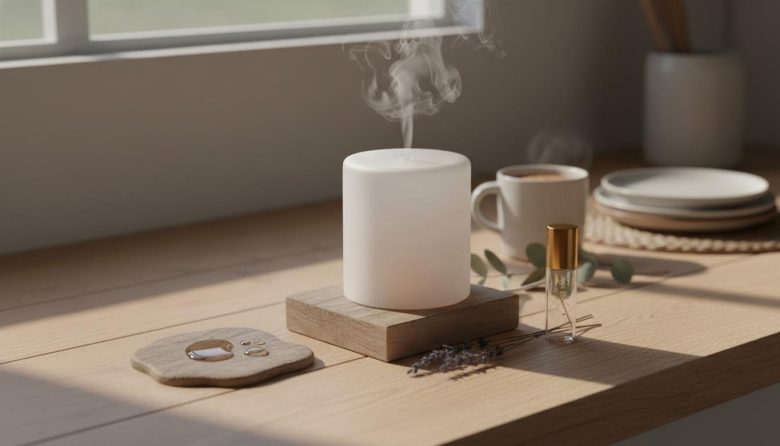
Last week, I had one of those days where back-to-back meetings left me wired by 3 p.m. My mind raced even after the last call ended. I reached for my diffuser with a few drops of lavender oil, and within minutes, that subtle floral scent shifted everything. It was a small pivot, but it reminded me how essential oils can fit into busy routines for a touch of calm.
Essential oils offer an accessible way to tap into scent’s power for everyday stress relief. They don’t require fancy equipment or hours of time. Studies suggest their aromas may influence the limbic system, the brain’s emotional hub, potentially easing tension through inhalation. In this piece, I’ll share science-informed reasons they help, oils I’ve tested, simple methods like diffusion and roll-ons, and a weekly rhythm that keeps it realistic.
You can start small today. Experiment with one or two ideas here, tracking how your mood or energy responds over a week. It’s about finding what clicks for your routine, not perfection.
Why Scents from Essential Oils Can Dial Down Your Daily Stress Response
The sense of smell connects directly to the brain’s limbic system, which handles emotions and stress. When you inhale essential oil vapors, they may signal the body to slow breathing and lower cortisol levels, the stress hormone. Research often points to this olfaction-limbic link as a reason scents can promote relaxation.
For instance, slow, deep breaths paired with calming aromas tend to activate the parasympathetic nervous system, your “rest and digest” mode. This can counteract the fight-or-flight response from daily pressures. I’ve noticed this in my own evenings: after diffusing chamomile oil post-workout, my heart rate settles faster, easing into unwind time.
These effects vary by person and oil quality, but consistent use often builds familiarity. Your nose gets better at associating the scent with calm over time. It’s a gentle nudge toward steadier days, backed by how aromas influence autonomic responses.
Calming Oils I’ve Tested for Reliable Home and Work Calm
Over months of tweaking my routines, I’ve leaned on a handful of essential oils that deliver reliable calm without overwhelming. Lavender tops my list for its versatility in evening wind-downs. Chamomile brings a soft, apple-like warmth for bedtime. Bergamot offers citrus brightness that lifts midday fog, frankincense adds grounding depth, and vetiver roots everything with earthy notes.
One swap that stuck: instead of my usual coffee jolt mid-morning, I sniff bergamot from a bottle. It perks me without the crash, blending calm focus. These picks come from trial and error in real settings, like desk work or family dinners.
Here’s a quick glance at their profiles for easy reference.
| Essential Oil | Aroma Profile | Potential Calming Effect | Best Everyday Use | Quick Caution Note |
|---|---|---|---|---|
| Lavender | Floral, fresh | May ease tension, support sleep onset | Bedtime diffusion, pillow mist | Dilute for skin; rare sensitivity |
| Chamomile (Roman) | Apple-sweet, herbal | Tends to soothe irritability | Evening tea diffuser blend | Avoid if ragweed allergy |
| Bergamot | Citrusy, green | Can uplift mood, reduce worry | Morning sniff or desk mist | Photosensitive; dilute well |
| Frankincense | Woody, resinous | Often promotes mental clarity | Meditation or focus sessions | Thick; needs good dilution |
| Vetiver | Earthy, smoky | May ground racing thoughts | Afternoon roll-on for feet | Strong scent; start small |
This table helps match oils to your needs quickly. I’ve rotated them weekly to keep things fresh.
Setting Up a Diffuser Routine for Effortless Evening Tranquility
Diffusion spreads oil particles into the air for easy inhalation, often the simplest entry point. Start with an ultrasonic diffuser filled with water and 3-5 drops total. Run it 30-60 minutes in your living space.
- Bedtime lavender solo: 4 drops in the bedroom an hour before sleep. It layers with your natural wind-down.
- Chamomile-bergamot dinner blend: 2 drops each post-meal. Eases digestion chats into calm.
- Frankincense focus hour: Before evening reading, diffuse to settle the mind.
- Vetiver wind-down: Late night for deeper grounding if thoughts linger.
In my routine, I set a 7 p.m. lavender timer pre-dinner. It signals shift from day mode. Track sleep quality or morning mood to see patterns.
Pair diffusion with short practices like those in how to practice easy deep breathing anywhere for amplified effects. Breathe in the mist slowly for 2-3 minutes.
Topical Blends with Carriers for Midday Tension Release
Topical use absorbs oils through skin, good for targeted spots like temples or wrists. Always dilute 2-3% in a carrier like jojoba or fractionated coconut oil—about 12 drops oil per ounce carrier. Shake well in a 10ml roller bottle.
- Lavender tension roller: 6 drops lavender, 4 drops chamomile in carrier. Roll on neck for desk strain.
- Bergamot uplift blend: 5 drops bergamot, 3 frankincense. Wrists for pre-meeting calm.
- Vetiver grounder: 7 drops vetiver, 3 lavender. Feet soles before bed.
- Chamomile soothe: 4 drops each chamomile and frankincense. Temples for headache hints.
During walks, I roll bergamot on wrists—it steadies my pace amid errands. Reapply every 2-4 hours. Note skin feel post-use.
This method shines for portability. Combine with light movement for better flow.
Portable Inhalation Methods to Tame Sudden Stress Spikes
When diffusion isn’t handy, direct inhalation keeps calm close. No equipment needed beyond a bottle or tissue.
- Bottle sniff: Uncork lavender, inhale deeply 3-5 times. Pocket-friendly for commutes.
- Tissue drops: 1-2 drops bergamot on tissue, tuck in pocket. Wave under nose as needed.
- Nasal inhaler: Add 10-15 drops chamomile to wick. Click and sniff discreetly.
- Cotton ball keychain: Vetiver on ball in small vial. Clip to bag for on-the-go.
At an airport delay once, my frankincense inhaler turned frustration to patience in seconds. Use during traffic or queues. Track energy lift after 5 minutes.
These fit seamlessly into planning days with more calm breaks. A quick sniff resets focus.
Safety Essentials and When to Pause Before Applying Oils
Pure essential oils are potent—dilute for skin, avoid eyes and ingestion. Patch test new blends: dab inside elbow, wait 24 hours. Use 1-2% for kids or sensitive skin.
Pregnant? Consult a doctor first. Keep from pets, as some like tea tree can harm. Store cool and dark.
I learned via a mild chamomile rash—dilution fixed it. Start low, listen to your body.
Building Lasting Calm: A Weekly Essential Oil Rhythm
A simple weekly plan builds habit without overwhelm. Rotate oils to avoid scent fatigue. Tweak based on your signals.
- Monday: Bergamot desk diffuse mornings for focus start.
- Tuesday: Lavender roll-on wrists mid-afternoon.
- Wednesday: Chamomile bedtime mist.
- Thursday: Vetiver inhaler during breaks.
- Friday: Frankincense evening blend with light meals for everyday energy.
- Weekend: Free mix, journal what worked.
I’ve followed variations for months—mood steadier, sleep deeper. Log daily: rate calm 1-10, note patterns. Adjust blends weekly.
Start with three days this week. Small consistency trumps intensity. Your rhythm will emerge.
Frequently Asked Questions
Can essential oils replace therapy or medication for anxiety?
No, essential oils may complement professional care but cannot replace therapy or medication. They offer supportive calm through scent, but consult healthcare providers for anxiety management. Individual needs vary widely.
How quickly do I notice calming effects from oils?
Effects often emerge within minutes via inhalation, though it varies by person, oil, and stress level. Topical may take 20-30 minutes. Track your responses over sessions to gauge timing.
Are all essential oils safe for kids or during pregnancy?
Not all are; some like lavender may be gentle when diluted, but others require caution. Research specifics or consult a pediatrician/doctor. Always start with low dilution and observe reactions.
What’s the best way to store oils for potency?
Keep in dark glass bottles in a cool, dark place away from heat/light. Most last 1-2 years; sniff for freshness before use. Proper storage preserves volatile compounds.
Do cheap essential oils work as well as pricey ones?
Purity and sourcing matter more than price—cheap synthetics may lack benefits. Seek reputable brands with GC/MS testing. Experiment affordably, prioritizing quality over cost.