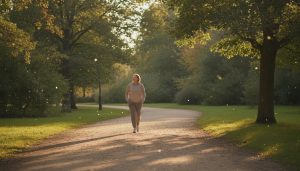
I remember my old routine of scarfing down a sandwich at my desk, staring at emails while the midday slump hit hard. Headaches built up, focus scattered, and afternoons dragged. That changed when I started slipping out for a 10-minute mindful walk during lunch—suddenly, my energy steadied, and I returned clearer-headed.
Midday often brings a natural dip in alertness, fueled by stress buildup and circadian rhythms. A short mindful walk can interrupt that by drawing attention to the present through breath and steps. It tends to lower cortisol levels, easing tension, and boosts blood flow for better afternoon stamina.
Research on mindfulness practices shows they often activate the body’s relaxation response, helping reset mental fog. In my case, after a week of these walks, I noticed sharper decisions post-lunch. Try one this week: step out, note your mood before and after, and track any shifts in energy or calm.
These walks fit easily into busy days, much like the techniques in How to Incorporate Short Pauses for Midday Calm, which emphasize brief resets amid work demands.
Why Mindful Walking Clears Midday Mental Fog
Mindful walking often helps by engaging the parasympathetic nervous system, which counters the stress response built up from morning tasks. Focusing on sensations like footsteps shifts attention from rumination, a common midday trap. This sensory anchor can quiet looping thoughts, creating mental space.
It also supports recovery from the circadian dip around noon, when alertness naturally wanes. Gentle movement increases oxygen flow to the brain, which may sharpen focus without caffeine’s crash. In my routine, two weeks of daily 15-minute walks lifted my post-lunch productivity noticeably—no more foggy afternoons.
Studies on mindfulness and light exercise suggest benefits like reduced anxiety and improved mood, though results vary by person. The key is presence over pace, turning a simple stroll into a reset tool. This approach keeps advice realistic, based on what worked in my trial-and-error schedule.
Quick Prep Steps to Launch Your Lunch Walk
Start by picking a familiar route near your workspace, like a block loop or park path, to minimize decision fatigue. Set a timer for 10-20 minutes to match your break. This keeps the habit light and doable.
Leave your phone behind or silence it completely—I’ve found this cuts distractions instantly. Slip on comfortable shoes right by your desk; I keep a pair under mine for seamless transitions. These tweaks turned my rushed exits into smooth starts.
One personal hack: Pair the walk with eating half your lunch first, so hunger doesn’t pull focus. Glance at the weather app briefly, then go. In my early days, this prep took under a minute, building momentum fast.
- Choose a 5-10 minute loop to fit tight schedules.
- Timer on watch, not phone, for pure presence.
- Silence notifications; pocket the device.
- Comfy flats or sneakers prepped nearby.
- Eat lightly beforehand for steady energy.
Mindful Lunch Walk Do’s and Don’ts
| Mindful Do | Common Don’t | Why It Shifts Your State |
|---|---|---|
| Focus on your breath syncing with steps | Check emails or texts mid-stride | Breath awareness activates calm signals, interrupting stress loops, while screens spike cortisol. |
| Notice the rhythm of your footfalls | Speed walk to “get it over with” | Slow rhythm grounds you in the now, easing tension; rushing reinforces hurry mindset. |
| Scan surroundings gently—trees, sky | Keep head down, lost in thoughts | Visual sweeps broaden perspective, reducing tunnel vision from work worries. |
| Tune into ambient sounds like birds | Blast headphones with podcasts | Natural sounds soothe the nervous system; audio overload scatters attention. |
| Pause briefly to feel air on skin | Push through without stopping | Micro-pauses deepen embodiment, amplifying relaxation over autopilot motion. |
This table draws from my trial runs, highlighting contrasts that make walks transformative. Quick glances reinforce habits during short breaks.
Sensory Anchors That Make Every Step Count
Anchor walks with senses to stay present—start with footfall: feel heel-to-toe contact, counting steps softly. This rhythm often steadies breath naturally. I rotate this weekly for variety.
Sync breath to pace: inhale for three steps, exhale four. It calms the stress response by lengthening exhales. In crowded areas, this keeps focus inward reliably.
Sweep visuals slowly—note colors, shapes ahead. Avoid staring; let eyes rest softly. This interrupts midday mental chatter effectively in my experience.
Awareness of sounds: pick one layer, like distant traffic or leaves rustling. Gently return if mind drifts. It builds tolerance for wandering thoughts without judgment.
Touch and scent cues add depth—feel fabric against legs or catch fresh air whiffs. These subtle notes ground urban walks. My routine mixes two per outing for engagement.
- Footfall rhythm: Count 10 steps, repeat.
- Breath sync: Inhale 3, exhale 4.
- Visual sweeps: Name three sights.
- Sound scan: Identify two layers.
- Touch/scent: Pause for one feel/smell.
- Rotate daily to prevent boredom.
Experiment with one anchor per walk; track which boosts your calm most. These keep sessions fresh and effective.
Building Momentum for Weekday Consistency
Link walks to your lunch alarm—step out right after eating. This cue stacks habits effortlessly. I set mine for 12:45 PM sharp.
Track simply: Jot mood and energy before/after in a notes app. Patterns emerge fast, like my consistent lift on Wednesdays. Log three walks to spot yours.
Vary routes slightly—alternate park and street—for interest without overwhelm. Involve a buddy occasionally for accountability. Consistency builds over weeks, not days.
Complement with evening wind-downs, such as those in How to Unwind Quickly After Work Stress, to extend daily calm. Miss a day? Restart gently—no guilt.
After a month, I walked five days weekly without force. Encourage your trial: note shifts, adjust as needed for sustainability.
Safety Notes and Weather-Proof Tweaks
Stay alert to traffic and uneven paths; scan ahead while mindful. If balance concerns exist, consult a doctor first—short walks suit most, but personalize.
For rain, pace a hallway or by a window, keeping sensory focus. Indoor laps work well in my rainy season routine. Hydrate before; wear layers for comfort.
Non-alarmist rule: Stop if dizzy, but these tweaks make it accessible year-round. Ties into broader resets like How to Journal Gratitude to End Your Day Calmly for full-day flow.
Frequently Asked Questions
Can a 10-minute walk really make a difference?
Yes, it often provides quick stress relief by engaging relaxation pathways, much like my energy boosts from short sessions. Track your own energy and mood to gauge personal impact—results vary, but many notice sharper focus soon after.
What if I work somewhere without green space?
Urban spots like sidewalks or parking lot edges work fine; loop safely while focusing inward on breath or steps. I’ve adapted this in office-heavy areas successfully. Presence matters more than scenery.
Is there science behind mindful walking for focus?
Studies on mindfulness and brief nature exposure tend to show mood and attention lifts via reduced rumination. Individual responses differ based on stress levels. It aligns with evidence on sensory grounding for cognition.
How do I stop my mind from wandering?
Wandering is normal—gently redirect to a sense like footsteps without self-criticism. Practice strengthens this muscle over time. In my walks, five redirects per session became two after weeks.
Best time during lunch for maximum benefit?
Mid-lunch often aligns with the natural energy dip, maximizing reset. Experiment with your rhythm—early or late may suit better. Track to find your peak window.