A few years back, my evenings often dissolved into a haze of endless scrolling. I’d flop onto the couch after dinner, phone in hand, jumping from social feeds to news alerts until my eyes burned and bedtime crept past midnight. Those nights left me tossing in bed, mind racing, waking up groggy despite clocking enough hours. It was a cycle I knew too well, fueled by the glow of screens that promised connection but delivered restlessness.
Then I experimented with cutting back. Simple swaps like parking my phone early and picking up a book turned chaotic nights into calm wind-downs. My sleep deepened, mornings felt brighter, and my mood steadied through the next day. Science points to blue light from screens mimicking daylight, which tricks the brain into staying alert when it should relax. Melatonin production—the hormone that signals sleep—often drops by up to 50% with evening exposure.
These four tips come from routines I’ve tested over months. They’re realistic, not rigid overhauls. You’ll likely notice steadier energy and easier sleep onset. Pick one to try tonight, jot a quick note on how your body responds tomorrow, and build from there.
How Evening Screens Disrupt Your Body’s Wind-Down Signals
Screens emit blue light that closely resembles morning sun, suppressing melatonin release from the pineal gland. This keeps your circadian rhythm—the body’s 24-hour clock—shifted forward, often delaying sleep by 30 minutes or more. Evening use can also prolong cortisol, the stress hormone, fragmenting your natural wind-down.
In my own tracking, late-night scrolling pushed my bedtime back 45 minutes on average. Heart rate stayed elevated, and deep sleep phases shortened. Dimming artificial lights helps counter this by signaling dusk to your suprachiasmatic nucleus, the brain’s master clock.
Many people report quicker sleep onset after just a few screen-free nights. Your results may vary based on total exposure and sensitivity. Start small to feel the shift.
What to Try Tonight
- Lower room lights after sunset using warm bulbs or lampshades—this cues your eyes for relaxation without full darkness.
- Track sleep for one week with screens until 9 PM, then switch to cutoff at 8 PM and compare notes on wake time and morning energy.
- Pair with a short walk outdoors if possible; natural twilight reinforces the rhythm better than indoor glow.
Tip 1: Carve Out a Sacred Device-Free Dock at Home
I started by designating our kitchen drawer as the family phone dock at 7 PM sharp. No devices allowed in bedrooms or living areas after that. It broke the autopilot reach for my phone during TV lulls, creating mental space I didn’t know I craved.
Why it helps: Physical separation interrupts habit loops wired in the basal ganglia, reducing compulsive checks. Proximity to bed links screens to sleep cues, confusing your brain’s associations. A dedicated dock reinforces boundaries, often leading to 20-30% less nighttime interruptions in studies.
What to try:
- Set up a charging station at least 10 feet from your bed, plugged in and face-down.
- Introduce a evening phone basket ritual—everyone drops theirs in with a shared laugh or comment.
- Label the dock “Wind-Down Zone” to make it a positive cue.
- Test for a week; if cravings hit, add a timer light that glows until dock time ends.
Safety / when to be cautious: Keep devices within earshot for emergencies like calls from family or work alerts. This isn’t about total isolation, just intentional spacing.
After two weeks, my evenings felt longer and more mine. Energy carried over better into mornings.
Tip 2: Craft a 60-Minute Screen Sunset Sequence
My routine kicks off at 7 PM with a phone shutdown alarm. I switch to grayscale mode first, then lock social apps, easing into full cutoff by 8 PM. It’s like dimming the lights on my digital world gradually, making the transition smooth.
Why it helps: Abrupt stops spike dopamine withdrawal, but a taper satisfies the brain’s reward system while preserving calm. Grayscale reduces visual pull by dulling colors that trigger alertness. This sequence often shortens perceived evening stress.
What to try:
- At 6 PM, enable grayscale via settings—colors fade, feeds lose shine.
- Set auto-lock for high-use apps like email or Instagram after 7 PM.
- Use a gentle alarm labeled “Screen Sunset” with a soothing chime.
- Follow with a non-screen anchor, like brewing tea, to fill the gap.
I’ve noticed fewer midnight wake-ups since adopting this. It pairs well with techniques from How to Unwind Quickly After Work Stress, smoothing the whole post-work flow.
Tip 3: Swap Endless Feeds for Hands-On Evening Anchors
Trading TikTok reels for a notebook changed everything for me. One night, instead of swiping, I jotted three gratitudes and sketched a loose doodle. The shift from passive consumption to active creation grounded me fast.
Why it helps: Tactile tasks engage the parasympathetic nervous system, promoting GABA release for calm. Screens fragment attention via variable rewards; hands-on activities restore focus and lower heart rate variability. Many find anxiety dips within 15 minutes.
What to try:
- Keep a physical journal bedside for 5-minute brain dumps or lists.
- Prep and sip herbal tea mindfully—follow steps in How to Make Calming Herbal Drinks at Home for a ritual boost.
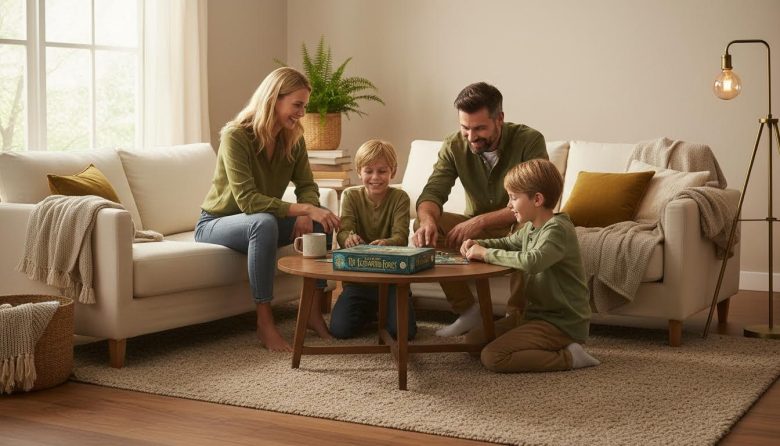
- Assemble a simple puzzle or color in an adult book for 20 minutes.
- Listen to vinyl or radio if music calls, keeping hands free of glow.
- Dust off a light craft like origami; low stakes, high satisfaction.
These anchors build a buffer against FOMO. Mood often lifts steadily with consistency.
Tip 4: Rally with Movement and Breath to Bookend Your Night
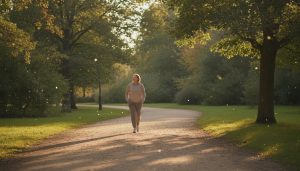
Post-dinner, I step out for a 10-minute neighborhood loop, then settle into 4-7-8 breathing on the porch. No screens, just rhythm of steps and breath. It tires the body naturally, sealing the screen-free vibe.
Why it helps: Gentle movement boosts endorphins and GABA, countering screen-induced tension. Breathwork activates the vagus nerve, slowing heart rate and easing into rest. Evening activity tends to improve sleep efficiency without overstimulating.
What to try:
- Take a slow evening stroll, focusing on footfalls and surroundings.
- Practice 4-7-8 breathing: inhale 4 counts, hold 7, exhale 8—repeat four times.
- Flow through three cat-cow poses or child’s pose for spine release.
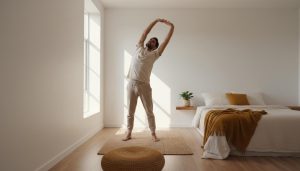
- Explore ideas in How to Add Light Stretches to Your Day adapted for dusk.
This combo often caps my night perfectly. Track how your body unwinds.
Your Screen-Free Evening Quick Reference
This table contrasts old habits with swaps from the tips. Use it as a cheat sheet—screenshot or print, test for three nights, and note shifts in mood or sleep quality.
| Avoid This (Screen-Heavy) | Do This Instead | Quick Benefit |
|---|---|---|
| Scroll feeds in bed until eyes droop | Park phone in kitchen dock at 7 PM | Breaks bed-sleep link for deeper rest |
| Check emails/social during couch time | Switch to grayscale, then full cutoff | Eases dopamine pull, smooths transition |
| Mindless video binging post-dinner | Journal, doodle, or puzzle hands-on | Grounds nervous system, boosts calm |
| Sit still staring at TV/phone glow | Evening stroll or breathwork sequence | Tires body, activates relaxation response |
| Blue light exposure past 8 PM | Dim room lights, herbal tea ritual | Cues melatonin, steadies circadian rhythm |
| Random late-night app checks | Wind-down alarm + tactile anchor | Reduces interruptions, improves onset |
Frequently Asked Questions
How soon will I notice better sleep after cutting evening screens?
Many people spot shifts in 3–5 nights, like easier fall-asleep times or fresher mornings. It varies with your baseline habits and sensitivity—track energy, mood, and wake-ups in a simple journal. Experiment patiently; consistency amplifies effects.
What if work requires late emails?
Batch replies before 6 PM when possible to protect evenings. Blue-light filters or night mode serve as a bridge, but prioritize cutoff for full benefits. Discuss boundaries with your team if feasible.
Can kids follow these tips too?
Yes, adapt with family device zones or shared docks—often fosters household calm. Start with one rule, like no screens after dinner, and model it yourself. Kids may surprise you with quicker adaptation.
Is grayscale mode enough on its own?
It dulls the visual appeal and can cut urge by 20-30% for some, but pair it with routines like docks or anchors for stronger results. Test solo first, then layer on. Personal response guides the best mix.
What about audiobooks or podcasts?
Screen-free options via speakers often soothe without light disruption—great for wind-down. Monitor total media time to avoid mental overstimulation. Physical books edge out for deepest calm in my trials.