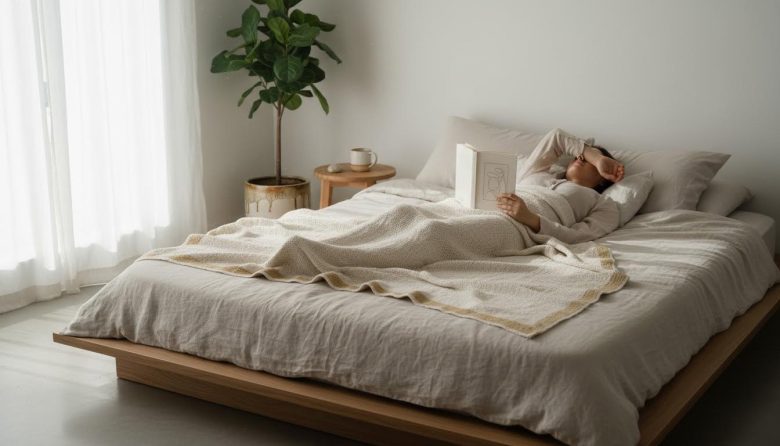
I remember a Tuesday last fall when my workday piled up—back-to-back calls, emails stacking like bricks. By 6 p.m., I felt wired, heart racing even after shutting my laptop. That night, I tried something simple: five minutes of slow breathing while standing at my kitchen window. It wasn’t magic, but my shoulders dropped, and I slept deeper than I had in days.
Constant stress keeps our bodies in high gear, triggering the sympathetic nervous system to pump out cortisol for fight-or-flight. Over time, this can drain energy, disrupt sleep, and tighten muscles without us noticing. Daily relaxation habits flip the switch to parasympathetic rest mode, often easing that built-up tension. In my routine, these pauses have made evenings feel lighter, without needing hours carved out.
Ahead, I’ll share why this works, easy slots to slot it in, and six techniques I’ve tested amid real-life chaos. No big overhauls—just tweaks for busy days. Try one this week, and note your mood before and after on a 1-5 scale. Small shifts add up, as they did for me.
Why Daily Relaxation Tames Your Body’s Stress Response
Your body treats daily hassles like threats, ramping up the sympathetic nervous system. This floods you with cortisol, which can leave you tense, foggy, or restless at night. Short relaxation breaks activate the parasympathetic system, promoting rest and recovery.
In plain terms, it’s like hitting pause on a looped alarm. Studies on stress responses show these practices often lower heart rate and ease breathing within minutes. For me, adding an evening wind-down cut my wakeful nights by half after a couple weeks.
It may help regulate mood over time, especially when consistent. Pairing it with habits like dimming lights supports your circadian rhythm too. Results vary, but tracking tension levels reveals patterns quickly.
Finding Your 5-Minute Slot Without Rearranging Life
Timing matters for circadian rhythm—aim for post-meal or pre-bed to align with natural dips. Mornings can energize if you’re groggy; evenings unwind wired nerves. I slot mine after brushing teeth, turning a routine chore into a calm anchor.
One morning, I breathed deeply before coffee, and my focus sharpened through meetings. No schedule shake-up needed—just piggyback existing habits. Experiment with commute waits or lunch breaks for seamless fits.
When thinking about how to fit fun movement into busy schedules, relaxation slots work the same way: tie to what’s already there. This keeps it realistic, building calm without extra effort.
6 Gentle Techniques Tested in Real Routines
These are low-lift options I’ve rotated through my days, each taking 2-5 minutes. Start with one that clicks—no need for apps or gear. They target breath, body, or senses to dial down stress signals.
- 4-7-8 Breathing: Inhale for 4 counts, hold 7, exhale 8. I use it waiting for my kettle; it slows my pulse fast.
- Progressive Muscle Relaxation: Tense and release from toes to head. Great post-desk—eases held tension I didn’t notice.
- Guided Body Scan: Lie down, mentally check each body part. My go-to on the couch, often spotting tight jaw first.
- Window Gazing: Stare softly outside, let thoughts drift. During lunch, it resets my eyes from screens.
- Gentle Neck Rolls: Slow circles side to side. Ties into how to ease muscle tension with quick touches—loosens knots from hunching.
- Herbal Tea Ritual: Sip chamomile mindfully, noting warmth. Evenings, it cues my body for unwind mode.
My commute favorite is 4-7-8 at red lights—hands-free calm. Rotate to keep it fresh; one often suits the day’s vibe.
Your 5-Step Path to a Stick-With-It Relaxation Routine
Building lasts when it’s progressive, not overwhelming. This path layers gently, based on what stuck for me.
- Pick one technique from above and pair it with a daily anchor, like post-lunch or pre-bed. Keeps it automatic.
- Set a gentle phone reminder; begin with just 2 minutes to build ease. I dim the screen for less jolt.
- End each session with a quick note: energy shift on a 1-5 scale? Jot in phone notes for patterns.
- After 3 days, tweak based on mood or sleep signals—shorten if rushed, swap if bored.
- Once steady after 2 weeks, layer a second technique. Slow wins prevent burnout.
Experiment for one week, tracking signals like tension or restfulness. In my trial, energy logs showed evenings improving by day 4. Adjust as life shifts—flexibility is key.
Dodging Slip-Ups: Safety Notes for Sustainable Calm
These practices suit most, but skip if feeling dizzy or lightheaded—sit or stop. For anxiety disorders, chat with a doctor first; they can complement care.
If overwhelmed, shorten to 1 minute. My rule: consistency over perfection avoids frustration. Listen to your body; ease back if it feels forced.
Pair with hydration, as dehydration amps stress. When relevant, like deeper tension, consider gentle stretches alongside.
Real-Life Tweaks That Made It Stick for Me
At home, I dim lights during evening sessions—supports circadian cues for melatonin. One tweak: neck rolls by the window, blending gaze and movement. It turned my living room into a calm zone without changes.
After work, I once chained it to tea, noting how warmth amplified relaxation. For tougher days, thinking about how to unwind quickly after work stress led me to breathwork first. These stacks made habits glue.
Journal small wins weekly—like “slept 30 minutes longer.” Try one tweak this week; note what boosts your calm. Personal fits turn good ideas into routines.
FAQ
How soon might I notice calmer evenings?
A week of daily practice often brings subtle mood lifts, though it varies by your stress load. Track sleep quality or evening tension as clear signals. Patience helps—bodies adapt gradually.
What if I forget a day?
No big deal; just restart gently the next. Habits build on averages, not flawless streaks. My routine bounced back faster forgiving slips.
Can this replace therapy?
It may support daily calm but won’t substitute professional care for deeper issues. Use as a complement; consult pros for tailored help.
Best for beginners?
Yes, these start tiny and scale with your energy. No prior experience needed—just curiosity. I began skeptical, but 2 minutes hooked me.
Evening vs. morning—which wins?
Depends on you: mornings often energize focus, evenings unwind for sleep. Test both via mood logs over days. Find what aligns with your rhythm.