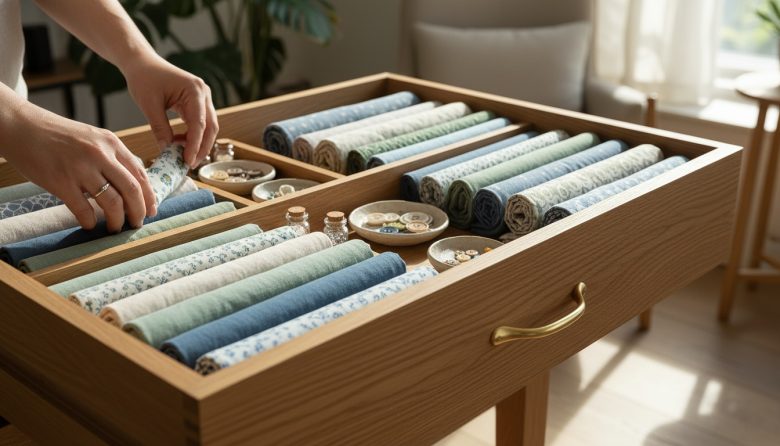
Picture this: you open your nightstand drawer in the morning rush, and it’s a tangle of old receipts, random chargers, and who-knows-what. That split-second chaos spikes your stress, fogging your mind before the day even starts. Decluttering just one drawer takes about 15 minutes and can lighten that mental load right away.
Our brains handle thousands of visual cues daily, and small pockets of disorder add up to decision fatigue. A tidy drawer cuts through the noise, letting you focus on what matters. It’s a quick win that often sparks a calmer mindset without overhauling your whole space.
Ready to feel that instant clarity? Grab a timer and pick one drawer today. You’ll notice the shift in your energy almost immediately. Let’s walk through it gently, step by step.
Why a Single Drawer Declutter Calms Your Overloaded Brain
Visual clutter acts like a low-level alarm for your stress response. When your eyes hit a jumbled drawer, your brain’s amygdala—the fear center—kicks in mildly, releasing cortisol. This can leave you feeling scattered, even if you don’t realize it.
Why it helps: Sorting one drawer reduces cognitive load, the mental effort needed to make choices amid chaos. Studies on decision fatigue show that small simplifications preserve willpower for bigger tasks. Your brain rewards the win with dopamine, a feel-good chemical that builds momentum for calm habits.
Consider a bedside drawer packed with lip balms, books, and loose change. Opening it each morning muddies your mood, delaying your calm start. After a quick declutter, that same drawer invites ease, often syncing better with your natural circadian rhythm for lighter awakenings.
This isn’t about perfection—it’s a targeted reset. Many people report sharper focus and less evening tension after tackling daily-use spots. The ripple effect tends to ease overall mental clutter over time.
Pairing this with quick tips for healthier light snacks anytime can amplify morning clarity, as a tidy kitchen drawer makes grabbing nourishing bites effortless.
Pick Your Starting Drawer for Maximum Everyday Impact
Start where chaos hits your routine hardest: a high-traffic spot like your kitchen utensil drawer, desk supplies, or nightstand. These see daily action, so their disorder drains energy most.
Tune into your signals—does rifling through a junky makeup drawer spike frustration before work? Or does a messy sock drawer slow your evenings? Pick the one that tugs at your mood or steals time.
Beginners often thrive with one drawer at a time to avoid overwhelm. Notice how it feels post-sort: lighter steps or quicker decisions signal a win. This builds confidence for the next.
High-impact choices tie to wellness rhythms. A decluttered nightstand, for instance, supports smoother sleep prep, much like steps in how to improve sleep with relaxing bedtime steps.
Declutter in Four Gentle Steps
These steps keep things light and contained. Set a 15-minute timer to stay focused without pressure. Track your before-and-after mood for real motivation.
- Gather & Empty (3 minutes): Pull everything out onto a clear surface. Use a trash bag nearby for obvious discards like dried pens or expired coupons. This reveals the full mess without judgment.
- Sort into Keep/Toss/Donate (5 minutes): Make three piles—essentials you use weekly, trash, and maybes for later. Ask: “Have I used this in a month?” Example: keep your favorite lotion, toss frayed cords. Real-life win: a desk drawer freed of old notes sharpens work focus.
- Wipe & Assign Homes (3 minutes): Clean the drawer with a damp cloth. Group keepers logically—tools together, papers in a small tray. This prevents re-clutter.
- Restock Mindfully (4 minutes): Place items back neatly, only what fits. Snap a photo for reference. Celebrate with a deep breath—your brain’s dopamine boost is underway.
Adapt as needed; if it flows longer, that’s fine. Many feel an energy lift by step three, proving small actions yield quick calm.
Simple Tools That Make Decluttering Feel Effortless
What to try: Start with basics that fit busy lives. A sturdy trash bag handles toss-aways swiftly; label three boxes (keep, donate, maybe) for sorting speed.
Set a phone timer for 15 minutes—apps like Focus Booster add gentle chimes. Play soft music or a podcast to ease the process; instrumental tracks often lower stress without distracting.
Try a portable caddy for relocated items, preventing mid-task wandering. Gloves protect hands from dust. For nightstands, link to beginner’s guide to gentle breathing practices post-sort—inhale calm into your newly clear space.
Wipe with natural vinegar solution for a fresh scent. These tools turn effort into flow, often done while kids nap or coffee brews. Experiment to find your favorites.
Maintenance Tricks to Keep Clarity Without Extra Effort
Adopt the one-in-one-out rule: for every new item, release one old. This curbs creep-back naturally. Apply it weekly to sustain the calm.
Schedule a 2-minute Sunday scan—open the drawer, tweak if needed. Ties to circadian calm by aligning with low-energy evenings. Track mood shifts in a notes app; easier focus often emerges.
Assign “homes” with dividers from old boxes—keeps groups intact. Share the habit with family for shared wins. Gentle reminders like a drawer photo prevent drift.
These tricks build lasting ease. Notice patterns: does a tidy desk boost afternoon energy? Adjust based on your signals for personalized calm.
Safety Notes: Handle Sentimental Snags with Kindness
Decluttering may stir emotions, like finding an old photo. Pause if it feels heavy—box it for a 30-day review instead of deciding now. This honors feelings without stalling.
Avoid over-purging daily essentials; keep what supports your routine. If hoarding patterns surface or overwhelm persists, chat with a trusted friend or pro organizer. Qualifiers matter: most handle one drawer easily, but listen to your pace.
It’s normal for attachments to pop up. Approach with self-compassion; the goal is relief, not rush.
FAQ
How long does decluttering one drawer really take?
Often 10-20 minutes for most, depending on starting mess. Set a timer to keep it light and prevent fatigue—many finish the four steps under 15. Track your time first go; it speeds up with practice, fitting busy schedules seamlessly.
What if I uncover sentimental items I can’t toss?
Box them for a 30-day review period—this eases decisions without pressure or regret. During the wait, use the cleared space and note if you miss the item. It often reveals what’s truly needed, building gentle decision skills.
Will this fix my overall clutter problem?
It can spark momentum for more areas, but results vary by person. One drawer’s clarity often lifts mood enough to tackle others naturally. Track simple signals like daily stress levels to measure your wins and pace yourself.
Which drawer should beginners start with?
A daily-use one like your desk or makeup drawer offers quick clarity payoff. These high-touch spots show impact fast on focus and flow. Choose based on your routine’s pinch points for motivation.
How do I know it’s working for my mental state?
Notice easier focus, lighter mood, or smoother routines post-declutter. Journal three signals—energy, calm, decisions—over a week to spot patterns. Experiment and tweak; personal shifts confirm the calm boost.