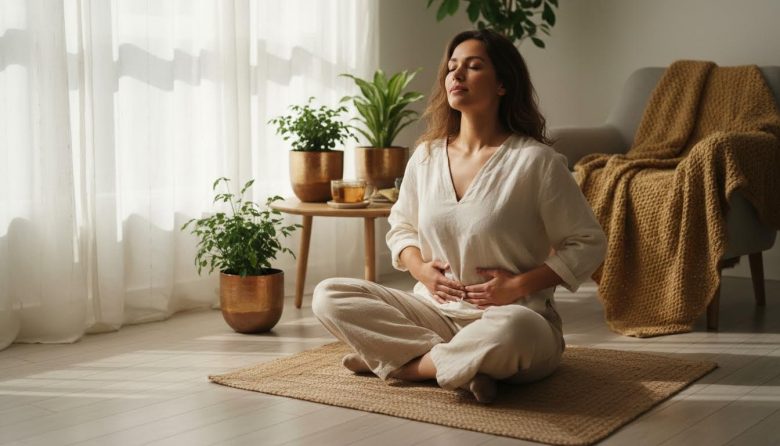
I remember one hectic Tuesday morning last year when my alarm blared at 6 a.m., emails flooded in before coffee, and traffic loomed. My heart raced, shoulders tensed—classic stress overload. That’s when I turned to deep breathing, a simple shift that calmed my nerves in under two minutes, easing me into the day without caffeine jitters.
Deep breathing activates your body’s relaxation response, countering the fight-or-flight mode that spikes during stress. It often helps lower heart rate and quiet racing thoughts, making it a go-to for quick relief. In this guide, we’ll cover why it works, how to spot effective breaths, four techniques to try, ways to fit it into your routine, safety tips, and tracking advice.
You’ll find doable steps tested in my own busy schedule, plus a quick-reference table. Many readers notice calmer energy after a week of practice. Let’s dive in and build your stress toolkit.
Why Deep Breathing Tames Your Body’s Stress Response
When stress hits, your sympathetic nervous system kicks in, releasing cortisol and adrenaline. This ramps up shallow chest breathing, keeping you wired. Deep breathing flips the switch to the parasympathetic system, often signaling safety to your body.
It stimulates the vagus nerve, a key player in calming the stress response. Studies show this can reduce cortisol levels over time with regular use. In my routine, I used it before a big work presentation—my pre-talk jitters faded, replaced by steady focus.
Think of it as a reset button for your autonomic nervous system. It tends to lower blood pressure slightly and eases muscle tension. While results vary, many feel relief fast, especially when paired with awareness of triggers.
This mechanism explains why deep breaths help during arguments or deadlines. Your brain interprets slow inhales as “all clear,” dialing down alarm signals. I’ve noticed it smooths my afternoons when paired with hydration breaks.
Spot the Difference: Shallow Pants vs. Deep Belly Breaths
Shallow breathing, or chest breathing, often happens under stress—your shoulders rise, breaths stay short and quick. This reinforces anxiety by limiting oxygen flow and keeping carbon dioxide high. Deep belly breaths, or diaphragmatic breathing, engage your diaphragm for fuller expansion.
Try this demo: Place one hand on your belly, one on your chest. Inhale deeply through your nose—the belly should rise first, chest minimal. Exhale slowly, feeling the belly fall. This pattern promotes calm by optimizing gas exchange.
Chest breathing can ramp up stress hormones, creating a loop. Belly breathing often breaks it, fostering relaxation. In my daily check, I scan my breath during coffee breaks; switching to deep mode instantly grounds me.
Practice spotting it in real time—at your desk or in line. Notice how shallow pants shorten attention spans. Over days, this awareness alone can reduce reactivity, as it did for me during family dinners.
Four Go-To Techniques for Instant Calm
I’ve tested dozens, but four stand out for speed and simplicity: 4-7-8 breathing, box breathing, diaphragmatic breaths, and alternate nostril breathing. Each targets different triggers, from work pressure to bedtime worry. They fit my routine seamlessly, often taking under two minutes.
Here’s a quick glance to pick the right one fast. Use the table below when stress spikes—choose by scenario and time. I rotate them weekly for variety, noting which boosts my mood most.
Deep Breathing Routines at a Glance
| Technique | Step-by-Step How-To | Ideal Stress Trigger | Estimated Time |
|---|---|---|---|
| 4-7-8 Breathing | 1. Inhale quietly through nose for 4 counts. 2. Hold for 7 counts. 3. Exhale through mouth with whoosh for 8 counts. Repeat 4 cycles. |
Pre-sleep anxiety or racing thoughts | 1-2 minutes |
| Box Breathing | 1. Inhale for 4 counts. 2. Hold for 4. 3. Exhale for 4. 4. Hold for 4. Repeat 4-5 times. |
High-pressure meetings or arguments | 1-2 minutes |
| Diaphragmatic Breathing | 1. Hand on belly, inhale nose to expand belly (4 counts). 2. Exhale mouth, belly falls (6 counts). 3. Pause briefly. Repeat 5-10 times. |
Everyday tension or desk slumps | 30 seconds-1 minute |
| Alternate Nostril Breathing | 1. Close right nostril, inhale left (4 counts). 2. Close left, exhale right (4). 3. Inhale right, close, exhale left. Repeat 5 cycles. |
Overwhelm or decision fatigue | 2 minutes |
These come from my trial-and-error over months. Start with one per day. They often pair well with light movement, enhancing the calm.
Slot Breathing Pauses Into Your Packed Schedule
Mornings set the tone—try three diaphragmatic breaths post-alarm, before checking your phone. This anchors calm amid chaos. I do it while stretching lightly, noticing steadier energy through lunch.
At your desk, set a phone timer for 1-minute box breaths every two hours. It combats screen fatigue without disrupting flow. In my 2-week trial, this cut afternoon crashes by half.
Pre-bed, wind down with 4-7-8 for five rounds. Dim lights and sit comfortably. Track your sleep quality; mine improved noticeably after a week.
Layer it into transitions, like waiting for the kettle or post-meal walks. For structure, consider weaving it into a morning calm routine like your easy 7-day morning calm routine. Experiment with what sticks, logging energy shifts.
One reader favorite from my notes: Pair desk breaths with a gentle movement plan, such as a 30-day gentle movement plan for beginners. It amplifies stress relief without extra time.
Safety Notes: Listen to Your Body’s Signals
Deep breathing suits most people and tends to feel restorative. Start slow if new—short sessions prevent overwhelm. If you have asthma or respiratory issues, ease in gently.
Watch for dizziness or lightheadedness; this can happen from over-holding breath. Pause, return to normal breathing, and shorten counts next time. Consult a doctor if persistent or with conditions like panic disorder.
It’s non-alarmist: Bodies vary, so honor signals like discomfort. In my practice, starting seated avoided rare wobbles. Keep it light and sustainable.
Track and Tweak for Breathing That Sticks
Journaling reveals patterns—note mood and energy pre- and post-breath on a 1-10 scale. Use a simple app or notebook. I tracked for a month; box breathing shone for meetings.
Tweak based on feedback: If mornings drag, extend inhales. Experiment weekly, rotating techniques. This builds habits that last, often deepening calm over time.
Combine with anchors like beginner’s guide to gentle daily yoga flows after breaths for synergy. My progress? Fewer stress peaks, better sleep. Aim for consistency over perfection.
Long-term, it fosters resilience—your stress threshold rises subtly. Share notes with a friend for accountability. Track simple signals like tension spots fading; adjust as life shifts.
Start today: Pick one technique, log three sessions. Notice ripples in your day. This realistic tweak compounds into everyday ease.
FAQ
How quickly can deep breathing reduce my stress?
Often within 1-2 minutes for many people, as it prompts parasympathetic activation fast. However, it varies by stress intensity and practice level—newcomers might need 3-5 rounds. Track your response; consistent use speeds it up, like in my pre-meeting resets.
Is deep breathing safe for beginners or those with health issues?
Generally yes, especially starting with short, gentle sessions like diaphragmatic breaths. Beginners often find it accessible seated or lying down. If you have heart, lung conditions, or anxiety, check with a doctor first and go slow to avoid strain.
What if I get lightheaded during practice?
Pause immediately and breathe normally through your nose until steady—this passes quickly for most. Shorten holds or counts next time, perhaps skipping to exhale-focused methods. Hydrate well beforehand; it rarely persists with adjustments, as in my early trials.
Can I combine deep breathing with other stress tools?
Yes, it often pairs well with walks, gentle yoga, or progressive muscle relaxation for amplified effects. For example, follow breaths with a short yoga flow to extend calm. Listen to your body for what combinations energize without overwhelming.
How often should I practice for best results?
Aim for 3-5 times daily in micro-pauses, totaling 5-10 minutes—fits busy schedules. Consistency matters more than duration; track mood to find your sweet spot. Over weeks, it builds a calmer baseline, varying by lifestyle.