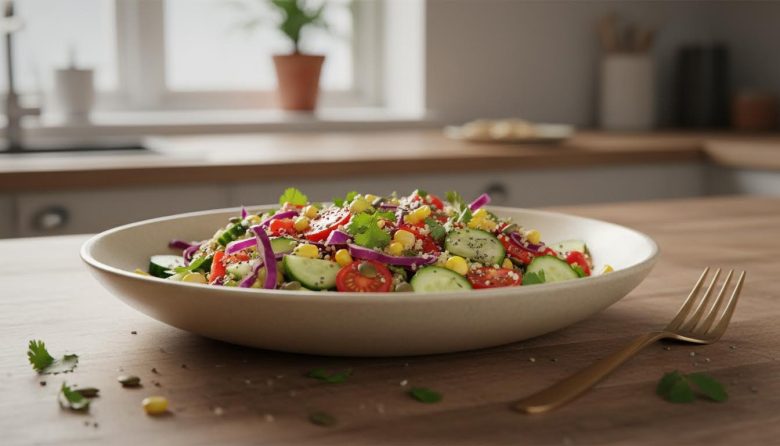
Picture this: It’s 2 p.m. on a packed Tuesday, and you’re powering through that project deadline with clear focus and steady energy—no mid-afternoon slump dragging you down. You’ve just had a light, balanced lunch that sits easy in your stomach, keeping your mind sharp without the fog of overeating. Light eating can help make those busy weekdays feel smoother by easing your digestion and supporting stable blood sugar levels.
This approach isn’t about strict rules or tiny portions that leave you hungry. Instead, it’s flexible, portion-aware meals built around whole foods that nourish without heaviness. Think vibrant veggies, lean proteins, and smart carbs that release energy slowly throughout your hectic day.
In this plan, we’ll cover why it works, simple principles to guide you, quick food swaps in a handy table, and easy ideas for breakfast, lunch, and dinner. You’ll get real-life examples tailored for busy schedules, like grabbing something packable before your commute or prepping dinner in 20 minutes after a long call. The goal? Quick wins that fit your life, helping you build calm energy habits with gentle encouragement—no pressure, just progress.
Many of us face the same challenge: grabbing whatever’s fast amid emails and errands, only to crash later. Light eating often shifts that pattern by prioritizing satisfaction from nutrient-dense choices. Ready to try? Let’s start with the science behind the steadiness.
Why Light Eating Steadies Energy on Hectic Days
During busy days, your body often deals with stress that ramps up the fight-or-flight response, diverting energy from digestion. Heavy meals can add to this load, making your gut work overtime and pulling blood flow away from your brain. Light eating tends to lighten that digestive burden, freeing up energy for focus instead.
Balanced plates with fiber-rich veggies, proteins, and moderate carbs help maintain even blood sugar. Spikes and drops from sugary or oversized meals can lead to fatigue, but steady levels often support consistent alertness. Studies on meal composition show this combo sustains energy better than carb-heavy options.
Lighter evenings align with your circadian rhythm, the body’s natural clock that winds down as daylight fades. Eating heavy late can disrupt sleep signals, but simpler dinners may promote better rest. This creates a positive cycle: calmer nights lead to sharper mornings.
Real-life example: A friend swapped her pasta dinners for veggie stir-fries and noticed easier mornings without grogginess. These mechanisms aren’t magic—they’re gentle ways your body responds to thoughtful fueling. Next, let’s look at streamlined principles to make it simple.
Streamlined Principles for Weekday Meal Wins
Focus on whole foods like fruits, veggies, nuts, and lean proteins—they often satisfy longer without weighing you down. Aim for half your plate as non-starchy veggies for fiber that slows digestion steadily. Pair with hydration: sipping water or herbal tea between meals can curb false hunger.
Mindful portions keep things light—use your hand as a guide: a palm for protein, a fist for veggies, a thumb for fats, and a cupped hand for carbs. Time meals around your work rhythm, like a solid breakfast before meetings and lighter lunch mid-day. This often supports energy without the post-meal dip.
When building these habits, weaving in an easy weekly plan for light walks and rest days can amplify the benefits, as gentle movement complements steady fueling. Experiment gently, tracking how you feel after a few days. These principles set the stage for the swaps ahead.
Quick Food Swaps for Lighter Weekdays
| Busy Default | Lighter Swap | Prep Time | Why It Helps |
|---|---|---|---|
| Coffee + Muffin | Greek yogurt + berries | 2 min | Protein and fiber steady blood sugar for hours |
| Bagel with cream cheese | Apple slices + almond butter | 3 min | Less refined carbs, more sustained energy |
| Fast-food burger | Turkey wrap with greens | 5 min | Lean protein eases digestion, no grease fog |
| Fried rice takeout | Quinoa salad with veggies | 10 min (batch) | Whole grain fiber prevents mid-day crash |
| Pasta with sauce | Zucchini noodles + pesto | 7 min | Lower carbs, lighter feel for evening |
| Chips + soda | Veggie sticks + hummus | 4 min | Hydrating crunch curbs cravings without spikes |
| Heavy sandwich | Chickpea salad lettuce cups | 6 min | Plant protein fills without bloating |
| Ice cream snack | Frozen banana + nuts | 2 min | Natural sweetness satisfies, supports sleep |
These swaps are scannable tools for your fridge or desk drawer reminders. Pick one or two to start, noticing how they shift your afternoon vibe. They bridge perfectly into specific meal ideas.
5-Minute Breakfasts to Kickstart Focus
Start your day right with these no-fuss options that blend protein, fiber, and a touch of healthy fat. They often set a steady tone, helping you tackle emails without the jitters.
- Berry Yogurt Parfait: Layer plain Greek yogurt, fresh or frozen berries, and a sprinkle of chia seeds. Takes 2 minutes; the probiotics and antioxidants may ease morning stress response.
- Nut Butter Toast: Smear almond butter on whole-grain toast, top with banana slices. Ready in 3 minutes; steady carbs fuel without overload.
- Green Smoothie: Blend spinach, half banana, protein powder, and almond milk. 4 minutes total; portable for commutes, hydrates early.
- Egg Muffin: Microwave an egg in a mug, add to English muffin half with tomato. Quick protein hit for focus.
Track your mood an hour later—brighter outlook? That’s a win. These fit rushed mornings seamlessly. Transitioning to lunch, keep the packable theme going.
Packable Lunches That Fuel Without Fog
Busy desks call for no-reheat wonders that travel well and digest lightly. Prioritize crunch and color for satisfaction without desk slump.
- Chickpea Tuna Salad: Mix canned chickpeas with tuna, cucumber, and lemon dressing in a jar. Packs in 5 minutes; omega-3s may support afternoon clarity.
- Veggie Bento: Sliced bell peppers, hummus, hard-boiled egg, and quinoa. Assemble night before; fiber balance curbs 3 p.m. hunger.
- Turkey Roll-Ups: Turkey slices around avocado and spinach, with apple on side. 4 minutes; lean and portable for meetings.
- Quinoa Power Bowl: Prepped grains, cherry tomatoes, feta, and vinaigrette. Light fats keep you sharp.
Portion tip: Fill a lunchbox loosely to avoid overpacking. Notice energy post-lunch? Jot it down. Evenings deserve calm—let’s ease into those.
20-Minute Dinners for Calm Evenings
Wind down with these simple cooks that emphasize veggies and light proteins. They often align with circadian cues for better sleep prep.
- Sheet Pan Salmon: Bake salmon, broccoli, and sweet potato at 400°F for 18 minutes. Drizzle olive oil; omega-rich for recovery.
- Stir-Fry Tofu: Sauté tofu, snap peas, carrots in soy-ginger sauce. 15 minutes; plant-based lightness.
- Chicken Veggie Skewers: Grill chicken, zucchini, onions. Pair with salad; quick grill or stovetop.
- Lentil Soup: Simmer lentils, spinach, garlic in broth. 20 minutes; warming without heaviness.
As you enjoy these, consider how how to fit fun movement into busy schedules pairs naturally, like a short walk post-dinner for digestion. Track sleep quality after a week. These build lasting calm.
Safety Notes and Smart Tweaks for Your Body
Listen to your hunger cues—eat when truly hungry, stop when satisfied to keep it light. If you have conditions like diabetes or allergies, chat with your doctor before big shifts. Stay hydrated, aiming for half your weight in ounces of water daily.
Tweak for your needs: Add more if active, scale back if sedentary. Non-alarmist approach: Bodies vary, so gentle adjustments based on energy signals work best. Experiment safely, one meal at a time.
Try one swap or breakfast this week and note your energy—small changes add up warmly.
FAQ
Can I adjust this plan for vegetarian or vegan needs?
Yes, easily swap animal proteins for tofu, lentils, or tempeh in lunches and dinners. For example, use plant yogurt in breakfasts or chickpeas in salads. Experiment over a few days, tracking your energy and fullness to fine-tune.
How do portions stay ‘light’ without feeling deprived?
Emphasize fiber-packed veggies and proteins that signal fullness to your brain via gut hormones. Use hand guides for intuition: it varies by person and activity. If needed, add volume with low-cal extras like extra greens.
What if I have irregular work hours?
Shift meal timings to match your peaks—prioritize protein at your main eating window. For night shifts, keep dinners lighter for sleep. Monitor sleep and mood signals, adjusting flexibly without stress.
Does this work for weight management?
It may support steady energy that encourages natural portion awareness, but results vary. Combine with consistent movement, like ideas from a beginner’s guide to mindful eating habits. Consult pros for personalized goals—focus on feeling good first.
How to track if it’s helping my busy days?
Note energy, mood, and digestion on a simple phone app or paper for 1-2 weeks. Rate 1-10 after meals. Tweak based on patterns, like more protein if crashing—gentle tracking builds insight without overwhelm.