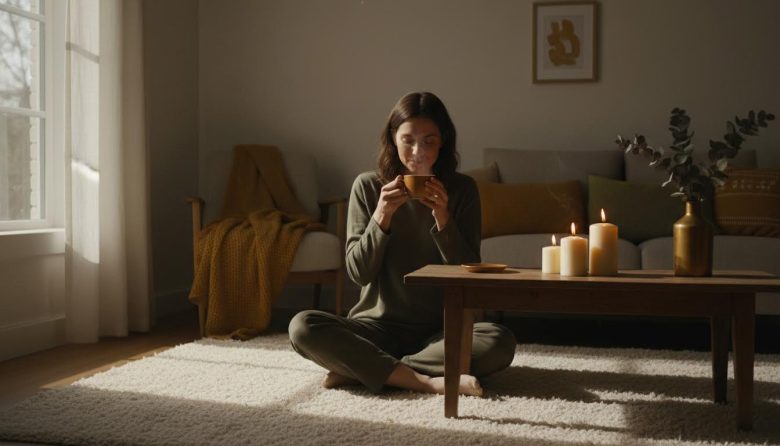
In my own busy weeks as a content strategist, I’ve found that a simple evening routine—tailored slightly each day—helps ease the buildup of stress without overhauling my life. This guide shares a realistic weekly plan, drawn from what works in my routine: dim lights around 8 PM, short breathwork, and light movement. Expect doable steps that often leave me sleeping deeper and waking calmer.
I’ve tested this across months, noting how Monday resets differ from Friday celebrations. It fits into 15-25 minutes most nights. Readers like you can adapt it easily for lasting calm.
Why Evening Routines Ease Weekly Stress Buildup
Evening timing taps into your circadian rhythm, when cortisol levels tend to dip naturally. This shift signals your body to move from the day’s stress response toward rest-and-repair mode. Over a week, consistent cues like dim lights can help regulate that rhythm, often leading to steadier mood the next day.
In my experience, skipping it mid-week amps up Friday fatigue—last month, three skipped Tuesdays left me dragging by Thursday. Plain science backs this: repeated wind-downs lower sympathetic nervous system activity, the fight-or-flight driver. It creates a buffer against weekly accumulation.
Stress often builds subtly across days, from Monday transitions to weekend overstimulation. Evening habits interrupt that cycle gently. They promote parasympathetic activation, fostering recovery without forcing big changes.
Core Elements That Form Your Weekly Base
Start with these tested pillars: a hydration check, screen curfew, and a 10-minute calm anchor. They create a low-effort foundation I use nightly, adaptable for the week’s varying demands. Hydration ensures your body isn’t compounding stress with subtle dehydration signals.
Screen curfew around 8 PM cuts blue light, which can delay melatonin release. My calm anchor varies—breathwork one night, stretches another—but keeps the ritual familiar. This base supports the full weekly schedule below.
A table improves clarity by visualizing routine variations across the week for easy planning and adherence. Use it to pick your flow.
Your Weekly Evening Unwind Schedule
| Day | Core Activities (7-9 PM) | Estimated Time | Calm Focus (Why It Fits the Day) |
|---|---|---|---|
| Monday | Journal 3 gratitudes + gentle neck rolls | 15 min | Resets post-weekend transition stress |
| Tuesday | Herbal tea + 4-7-8 breathing | 12 min | Counters mid-week mental overload |
| Wednesday | Light yoga flow + dim room scan | 20 min | Recharges hump-day energy dip |
| Thursday | Foot soak + progressive muscle relax | 18 min | Eases pre-weekend push tension |
| Friday | Quick walk + audio gratitude | 15 min | Celebrates wins, softens unwind |
| Saturday | Reading ritual + stretch holds | 25 min | Balances fun-day overstimulation |
| Sunday | Reflection prompt + warm shower | 20 min | Preps calm entry into new week |
Adapt based on your signals; track energy in a notes app for a week. This visual keeps it realistic—I print mine for the fridge.
What to Try: Actionable Steps Pulled from My Routine
Here are 5 ideas I’ve refined over time, keeping them under 20 minutes. They build on the table for flexibility.
- Start with 4-7-8 breathing: Inhale 4 seconds, hold 7, exhale 8. I do this Tuesday nights after tea; it often slows racing thoughts from work calls.
- Try neck rolls on Mondays: 5 slow circles each direction. Post-weekend tension melts here, prepping a fresh start.
- Progressive muscle relax Thursday: Tense and release from toes up. Eases that end-of-push-day tightness I know too well.
- Dim room scan Wednesday: Lie down, mentally note body sensations. Pairs with yoga for mid-week recharge.
- Gratitude audio Friday: Record three wins voice-note style. Celebrates without screens, shifting to weekend mode smoothly.
Pick 3 to test first. Rotate based on what your body signals back.
Tweaks I’ve Tested for Real-Life Flow
From my routine: Swap herbal tea for warm lemon water if caffeine lingers into evenings. Add a scent like lavender—it often amps relaxation without extra effort. For digestion support, consider a simple daily plan for light healthy eating earlier in the day to avoid evening bloat.
What else works: Shorten walks if tired, or link Friday’s quick walk to how to start gentle morning walks for calm the next day—it bookends the week nicely. Readers tweak for families by involving kids in gratitudes. Keep it light; perfection isn’t the goal.
One anecdote: Last summer, busier Fridays led me to audio gratitudes in the car—still effective. Experiment like this for your flow.
Safety Notes and When to Be Cautious
Listen to your body—if breathwork feels dizzying, shorten inhales or sit up. This routine tends to be gentle for most, but pause if you have respiratory issues. Consult a doctor for chronic stress or insomnia; it supports, doesn’t replace, professional care.
Non-alarmist reminder: Hydrate during soaks, and avoid hot water if blood pressure fluctuates. Track any off days to refine safely.
Track Simple Signals for Lasting Tweaks
Log mood and sleep quality pre-bed via phone notes. After two weeks, patterns emerge—like Wednesday yoga boosting my Thursday focus. Simple signals like “energy level 1-10” guide adjustments.
Encourage experimentation: Note what follows good nights, like steadier mornings. Small wins compound over the month.
Make It Stick: My Weekly Anchors
Pair with a 7 PM phone reminder. In my home, a dedicated corner with mat, journal, and tea spot keeps it realistic. Readers often report calmer Sundays after consistent use.
For foods that ease evenings, explore how to choose foods that promote easy digestion—light snacks like banana pair well two hours before. Anchor socially if alone feels tough: Share gratitudes via text.
Over time, this becomes autopilot. My six-month streak shows calmer weeks overall.
Frequently Asked Questions
Can I shorten this if evenings are packed?
Yes, core activities take 10-15 minutes max—pick one per night. Many adapt successfully with less, focusing on breath or gratitudes. It still signals wind-down effectively.
What if I miss a night?
No big deal; restart next evening. Consistency builds over weeks, not perfection. I’ve bounced back from weekend slips many times.
Does this work for shift workers?
It can, shifted to your “evening” or pre-sleep window. Focus on personal circadian cues like dimming lights relative to bedtime. Track your response for tweaks.
Any foods to pair with the routine?
Light options like a banana or handful of nuts 2 hours pre-bed support steady blood sugar without disruption. Avoid heavy meals close to activities. This keeps energy calm overnight.
How soon might I notice less stress?
Often within a week for better sleep quality; fuller effects like reduced weekly fatigue show in 2-4 weeks with tracking. Variations depend on starting stress levels. Stay patient and adjust.