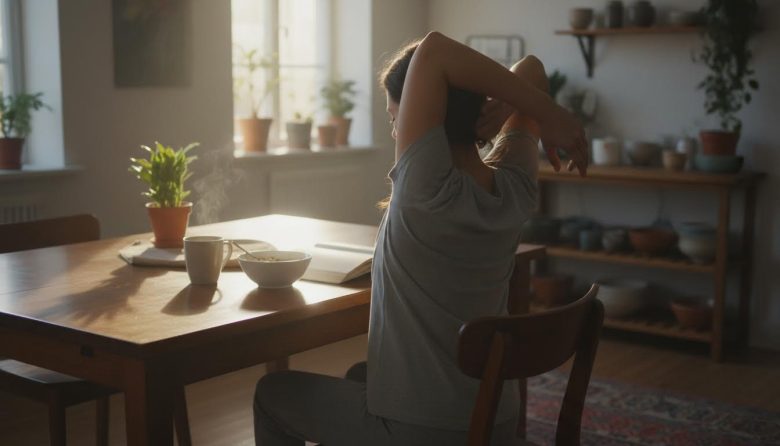
I remember a particularly grueling workweek last year, buried under deadlines with my shoulders knotted up from hours at my desk. One afternoon, feeling that familiar fog settle in, I tried a simple two-minute neck roll—ear to shoulder, slow breath out—and it was like flipping a switch. My energy lifted, tension eased, and I powered through the rest of the day clearer-headed. That small shift hooked me on light stretches, especially as more of us navigate post-pandemic desk life with stiff necks, tight hips, and nagging back twinges.
These aren’t intense workouts or yoga flows; they’re gentle, quick movements anyone can slot into a busy day. They often help melt everyday tension, support better posture, and nudge mood upward through improved blood flow and muscle release. Science points to how such practices may dial down the stress response, easing cortisol-fueled tightness while promoting circulation to joints and tissues. Picture less hunching, steadier focus, and a calmer wind-down—benefits I’ve tested in my own routine.
In this piece, we’ll explore why light stretches tend to work so well, then walk through doable ones for morning, midday, afternoon, and evening. You’ll get a five-step plan to weave them in seamlessly, plus safeguards to keep things safe. Try just one today—like that neck roll—and track your energy on a scale of 1 to 5 afterward. Notice a lift? That’s your cue to build from there. Let’s ease into it.
Why Light Stretches Often Ease Daily Tension Without Overhaul
Gentle stretches work by softly lengthening muscles that tighten from prolonged sitting or stress. This action may interrupt the body’s stress response, where cortisol builds up and keeps tissues guarded. Over time, it tends to improve circulation, delivering oxygen and nutrients to ease stiffness in areas like the neck, back, and hips.
Joints gain subtle mobility too, as holding a stretch signals the nervous system to relax protective tension. In my routine, I tested five minutes daily for ten weeks—simple shoulder rolls and hip openers—and noticed sharper focus during work blocks. Studies on flexibility practices echo this, showing links to lower perceived stress and better posture markers after consistent, light use.
No need for overhaul; these fit around life. They often complement other habits, like a simple daily plan for light healthy eating, where moving post-meal aids digestion and energy steadiness. Start small, and your body may thank you with less daily drag.
Wake Up Gently: Morning Neck and Shoulder Flows to Start Steady
Begin your day countering overnight stiffness with easy neck and shoulder moves—no mat required. Stand or sit tall, then tilt one ear toward the same-side shoulder for 30 to 60 seconds per side. Breathe deeply; this gently stretches the upper trapezius, a hotspot for tension.
Next, shrug your shoulders up to your ears on an inhale, then roll them back and down on the exhale—repeat eight to ten times. I pair this with my morning coffee; the habit stack makes it automatic. Feel the release ripple through your upper back.
Finish with arm circles: Extend arms out, make small forward circles for 30 seconds, then reverse. This warms the shoulders and boosts circulation for a steadier start. Do this flow in two minutes, tracking how it sets your mood.
Counter Desk Hunch: Midday Wrist, Back, and Chest Openers
By midday, desk time often rounds the shoulders and strains wrists from typing. Try a wrist flexor stretch: Extend one arm forward, palm up, and use the other hand to pull fingers back gently for 30 seconds each side. It eases forearm tightness built from mouse work.
Shift to a seated cat-cow: Arch your back on inhale, round it on exhale, flowing for eight breaths. I do this during calls; it revives my spine without drawing attention. No equipment, just breath-driven movement.
Open the chest in a doorway: Place forearms on the frame, step forward slightly, and hold for 45 seconds. This counters forward slump, often improving breath depth right away. Sneak it in breaks for an energy reset.
Recharge Afternoon Energy: Hip and Leg Releases for Busy Schedules
Afternoon slumps hit hard after lunch, tightening hips from sitting. Stand for a gentle forward fold variation: Feet hip-width, hinge at hips, let hands dangle or rest on shins for 45 seconds. Bend knees if tight; it releases the lower back and hamstrings.
Pull one quad back: Stand, grab an ankle behind you, hold 30 seconds per leg. I add this post-lunch, especially when following how to prepare light meals for everyday energy—the combo keeps me sharp for meetings. Keep hips aligned for balance.
Circle ankles: Lift one foot, rotate slowly eight ways each direction. Great for desk-bound feet swelling. These take a minute total, fitting tight schedules while refreshing legs.
Unwind for Better Sleep: Evening Full-Body Calms with Twists
Evening stretches signal the body to downshift, tying into circadian rhythms for calmer sleep. Sit for a spinal twist: Cross one leg over the other, hug knee to chest, twist gently 30 seconds per side. It wrings out the day’s spinal tension.
Flow into child’s pose: Kneel, fold forward, arms extended, hold a minute. Or modify seated if floor’s not handy. My pre-bed version cut my toss-and-turns noticeably after a week.
End with a hamstring lean: Sit or stand, fold forward from hips, 45 seconds. Breathe into the back body. Pair with dim lights for full unwind, often easing you toward rest.
Seamlessly Weave It In: 5 Steps to Make Light Stretches a Daily Win
Habit science shows cue-response-reward loops make change stick—light stretches thrive on this. Pick anchors in your day, respond with one quick move, reward with noted energy lift. I’ve used this to hit daily without force.
- Pick 2-3 anchor times, like post-breakfast, meeting ends, or pre-dinner, matching your rhythm.
- Choose one stretch per spot from earlier sections; keep to 30 seconds each at first.
- Pair with breath: Inhale to lengthen, exhale to release—note any mood shift right after.
- Log simple signals, like energy 1-5 or tension spots, in phone notes for one week.
- Tweak weekly: Extend holds if comfy, swap moves, or add after considering how to choose foods that promote easy digestion for fuller calm.
These steps build momentum gradually. Try 1 and 2 tomorrow—track those wins, and experiment freely. Your routine will feel lighter soon.
Light Stretching Safeguards: Listen to Your Body First
Light stretches suit most folks, but pause at sharp pain—dull ache is okay, signaling release. Warm muscles with a short walk first if chilly. Modify for comfort, like bending knees or shortening holds.
If chronic issues, injuries, or pregnancy apply, check with a doctor before starting. No bouncing; ease in steadily. This keeps benefits flowing safely.
Frequently Asked Questions
How often should I do light stretches to notice benefits?
Daily sessions of five to ten minutes often build noticeable ease over a week or two. Track personal signals like shoulder looseness or steady energy to find your rhythm—bodies vary. Consistency matters more than marathon holds.
Can beginners or stiff folks start light stretches right away?
Absolutely, these are designed gentle for all levels. Start with shorter 15-second holds, using walls or chairs for support, and build as comfort grows. Honor your edges; progress comes naturally.
What if I have limited space or no time for full routines?
Seated or standing versions fit desks, cars, or tiny rooms—even one to two minutes helps circulation. Prioritize one move per break over perfection. Small doses add up for daily relief.
Do light stretches replace exercise or yoga?
No, they complement by filling movement gaps between walks, strength sessions, or classes. Think of them as tension tuners, not full workouts. Layer them for balanced wellness.
How do I know if stretches are helping my stress or posture?
Watch cues like relaxed shoulders, easier breathing, or brighter mood post-session. Journal for a week, noting before-and-after on a 1-5 scale. Adjust based on what your body reports—variation is key.