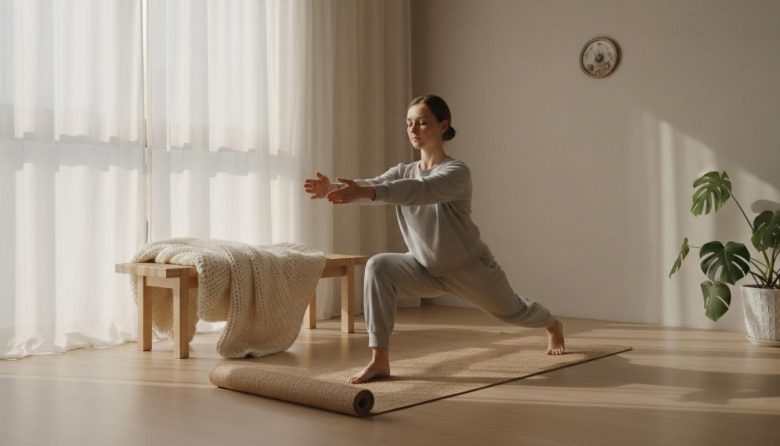
Imagine Sarah, a busy mom juggling work deadlines and school pickups, feeling drained by 3 p.m. every day. One small shift changed that: she started with just five-minute walks around the block after lunch. Over time, these gentle steps helped her rediscover steady energy and a calmer mind, without overwhelming her schedule.
Gentle movement fits perfectly into packed lives, building habits that stick. It often sparks endorphins, those natural mood lifters your body releases during light activity. This 30-day plan guides you week by week with simple, beginner-friendly routines—no gym needed.
Science shows consistent, low-key movement may improve mood by easing the stress response and supporting better sleep cycles. You’ll track your energy and mood along the way, noticing what works for you. Ready for quick wins? Grab a notebook and let’s ease into it together.
Picture yourself ending the day with a quiet sense of accomplishment, body feeling lighter and mind more settled. This plan teases just that, one short session at a time.
Why Gentle Movement Often Eases You Into Lasting Strength
Gentle movement builds strength gradually, reducing injury risk compared to sudden intense workouts. It often helps regulate your stress response by lowering cortisol levels over time. Think of it as waking up your muscles kindly, like stretching after a long sit.
Daylight walks, for instance, may support your circadian rhythm, that inner clock guiding energy and sleep. An office worker I know added 10-minute strolls during lunch; soon, her afternoon slumps faded, replaced by clearer focus. These shifts happen because light activity boosts blood flow without overload.
Movement also tends to release endorphins, easing tension and lifting mood. It supports joint health by improving lubrication and flexibility slowly. For beginners, this approach creates a positive loop: small wins encourage more days of showing up.
Unlike high-impact exercises, gentle routines let your body adapt at its pace. This may lead to better posture and reduced fatigue signals. Consistency here often paves the way for lasting calm and vitality.
Simple Prep Steps to Set Up Your 30 Days for Success
Start with comfy shoes and clothes you already own—no need for fancy gear. Clear a small space at home, like your living room corner, for seated or standing moves. This keeps barriers low from day one.
Grab a simple mood journal: note energy levels before and after each session on a 1-10 scale. A quick win? Try a two-minute body scan daily—sit quietly, notice tension spots, and breathe into them softly. It primes your mind for movement.
Pair prep with habits like sipping water beforehand to stay hydrated. Schedule sessions at the same time, perhaps post-breakfast or evening wind-down. Gentle encouragement: you’re building a kind routine, not perfection.
One parent shared how laying out clothes the night before made mornings flow easier. These steps create momentum without pressure, setting you up to feel good right away.
Your Week-by-Week Path to Feel-Good Flow
This plan progresses gently, ramping up time and variety while keeping things accessible. Each week focuses on consistency first, then flow. Use the roadmap below to glance at your path.
A table makes it easy to see daily commitments at a glance. Tailored for beginners, it includes sample activities you can swap based on your day.
| Week | Daily Time | Sample Activities | Focus & Feel-Good Tip |
|---|---|---|---|
| Week 1 | 10 minutes | Slow walking (indoors or out) + arm circles (10 each direction) | Build the habit; smile at small completions to spark joy |
| Weeks 2-3 | 15 minutes | Walking + seated leg lifts (10 per leg) + gentle neck rolls | Add rhythm; hum a tune to make it playful |
| Week 4 | 20 minutes | Walking + wall push variations (5-10 reps) + side bends | Notice energy shifts; celebrate with a deep breath |
| Beyond | 20-30 minutes | Mix favorites + new flows like seated marches | Sustain with variety; revisit Week 1 if needed |
After Week 1, many feel a subtle lift in daily energy from the routine’s rhythm. Adjust activities for your space—try how to start gentle morning walks for calm if outdoors appeals. This structure supports steady progress without overwhelm.
Post-table, reflect: how does 10 minutes sound? It’s designed for busy schedules, often fitting between meetings or chores.
5 Everyday Movements to Mix In Anytime
Chair twists ease your spine gently—sit tall, place one hand on the opposite knee, rotate slowly for 30 seconds per side. Do this at your desk to unwind midday tension. It’s a quick reset for posture.
Wall angels build shoulder mobility: stand with back to wall, slide arms up and down like making snow angels, 8-10 reps. Great for home or office, it opens your chest without strain. Feel the gentle stretch?
Seated marches boost circulation—lift knees alternately as if marching in place, 1 minute. Add arm swings for full-body flow. Perfect during TV time or calls.
Standing calf raises strengthen legs simply: rise onto toes, hold 2 seconds, lower, 10 reps. Use a chair for balance. This counters sitting’s effects on lower body.
Ankle circles improve flexibility—sit or stand, rotate each ankle 10 times each way. Pair with deep breaths for calm. Experiment: notice which feels best on tired days.
These moves draw from low-impact practices, often enhancing balance over time. Try one new per week, tracking mood afterward. Link to how to practice easy deep breathing anywhere between them for extra calm.
Safety Notes: Listening to Your Body’s Gentle Whispers
Always tune into your body—stop if you feel sharp pain, dizziness, or unusual fatigue. Gentle movement is low-risk, but start slow if new to activity. Breathe steadily to stay grounded.
If you have joint issues, chronic conditions, or haven’t moved much lately, chat with your doctor first. Modify by shortening holds or using support like a wall. This keeps things safe and sustainable.
Watch for overdoing signals: lingering soreness or sleep disruption. Rest days are part of the plan—honor them kindly. Most beginners sail through with these cues.
Tracking Progress with Kind, Quick Check-Ins
Each evening, jot one note: “Energy today: 7/10, mood steadier after walk.” Track sleep quality too—did you nod off easier? These signals show what’s clicking.
No pressure for fancy apps; a bedside notepad works. Example prompt: “What felt good? What to tweak?” Sarah noticed walks before dinner aided digestion, tying into how to choose foods that promote easy digestion.
After two weeks, review patterns—more energy on walking days? Tweak times or add a favorite move. Celebrate non-scale wins like easier stairs or brighter outlook.
This kind tracking builds self-awareness gently. Experiment freely; your body will guide the best flow. You’ve got this—one check-in at a time.
FAQ
Can I adjust the plan if I’m short on time some days?
Yes, scale back to five minutes of your favorite activity, like arm circles or marches. Everyone’s schedule varies, so flexibility keeps the habit alive. You’ll still build momentum this way.
What if I miss a day—do I start over?
No need to restart; simply pick up where your energy feels right, maybe repeating the prior day. Missing one doesn’t erase progress—kindness to yourself sustains long-term flow. Most find jumping back in refreshes them.
Is this plan suitable for those with joint issues?
Often yes, thanks to its low-impact focus on seated and supported moves. Still, consult a healthcare pro for personalized advice, especially with conditions like arthritis. Modifications like fewer reps can make it just right.
How soon might I notice changes in mood or energy?
It varies by person—many sense subtle shifts in one to two weeks from consistent endorphin boosts. Factors like sleep and stress play in too. Track your signals to spot your timeline.
Can I combine this with other exercises?
Absolutely, layer it gently with activities like yoga or swimming if they feel good. Listen to recovery signals like fatigue to avoid overload. Start by adding one session weekly alongside this plan.