Ever wake up feeling great, only to hit that mid-afternoon slump after lunch? Picture this: you’re a busy parent rushing through a salad with beans and onions, then spend the next hour bloated and uncomfortable. That familiar puffiness often comes from how our gut handles certain foods, and small tweaks can make a big difference without overhauling your day.
Your digestion starts in the mouth with chewing, then stomach acids and enzymes break down proteins and fats. In the small intestine, nutrients get absorbed, while the large intestine ferments fibers with bacteria. Motility—those gentle waves—keeps everything moving smoothly. When foods overwhelm this process, gas or bloating can follow, but noticing patterns helps.
In this guide, we’ll spot gut signals, embrace low-FODMAP picks, lean into greens and fruits, select easy proteins, choose gentle grains, and add ferments with fluids. You’ll find quick swaps in a handy table too. These steps offer quick wins for busy schedules—try one at a time and track how you feel for lasting calm.
Spot the Everyday Signals Your Gut Sends About Food Choices
Bloating, gas, or mild cramps after eating often signal your gut’s response to specific foods. Fatigue or irregular bowel habits can join in too. These signs tend to show when undigested carbs reach the large intestine, where bacteria ferment them into gas.
Why it helps to notice: Paying attention tunes you into your body’s feedback, letting you swap triggers without guesswork. This builds awareness gently, like a friend pointing out patterns. Over time, it leads to fewer discomfort days.
What to try: First, jot down one meal’s foods, time, and symptoms in a phone note. Second, rate bloating on a 1-10 scale post-meal for three days. Third, snap a quick photo of your plate to spot repeats. Start small—journal just dinner tonight and see what emerges.
These tracking ideas fit rushed mornings; spend under two minutes. As you notice trends, like onions sparking gas, you’re set for smarter choices ahead.
Embrace Low-FODMAP Picks to Lighten Your Gut’s Workload
Low-FODMAP foods cut fermentable carbs like oligosaccharides and polyols that some guts struggle with. These can draw extra water into the intestines or ferment quickly, leading to bloating for sensitive folks. Why it helps: Easier absorption reduces that workload, often calming symptoms without strict diets.
What to try: Swap garlic for garlic-infused oil in soups—flavor without the ferment. Use chives or green onion tops instead of bulbs in stir-fries. Opt for oats or quinoa over wheat pasta. Try firm tofu as a bean stand-in for hearty salads. A busy mom I know ditched onions in her weekly stir-fry for chives and felt lighter by day three.
These swaps take seconds at the store and keep meals familiar. Experiment with one per day, noting energy shifts. When preparing light meals for everyday energy, weave in these picks for steady comfort.
Lean into Leafy Greens and Low-Fructose Fruits for Smooth Transit
Leafy greens and low-fructose fruits offer soluble fiber that gently binds water, forming a soft gel for easier passage. Unlike high-fructose options, they ferment less, supporting steady motility. Why it helps: This duo nourishes without overwhelming bacteria, often easing transit for smoother days.
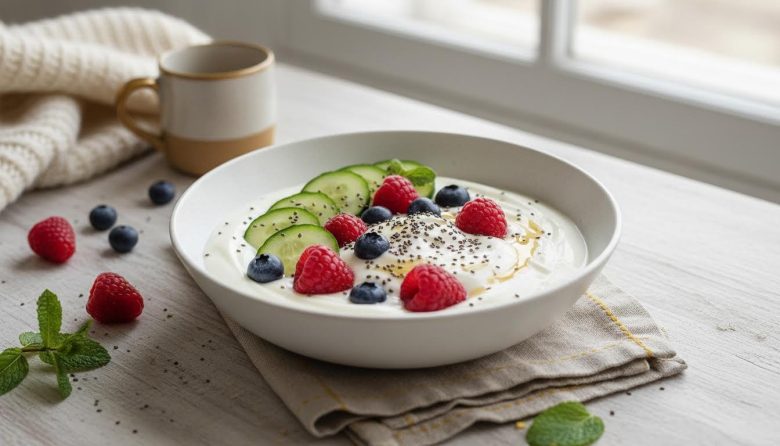
What to try: Steam spinach or kale for lunch sides—tender and quick. Slice zucchini into noodles or salads raw. Add strawberries, blueberries, or raspberries to yogurt. Mash a kiwi or banana for snacks. Picture tweaking your morning smoothie: swap apple for banana and spinach, blending in under five minutes for a gut-friendly boost.
These shine in busy routines—grab pre-washed bags or frozen berries. Track bowel ease after two servings daily. They pair well with proteins coming up next.
Select Proteins That Break Down Without the Bulk
Lean, soft proteins digest faster as enzymes access them easily without heavy fats slowing the process. Why it helps: Lighter loads mean less residue for fermentation, often reducing post-meal heaviness. This supports energy without the drag.
What to try: Poach or boil eggs for breakfast—simple and complete. Steam white fish like cod for dinners under 10 minutes. Grill turkey or chicken breast skinless. Simmer lentils until very soft for plant-based wins. A working pro swaps red meat for fish twice weekly, noting less afternoon fog.
Safety note: If fatty meats appeal, chew thoroughly to aid breakdown—rushed bites can worsen bulk. These options fit quick preps; try one new protein this week and log satisfaction.
Opt for Gentle Grains and Roots That Fuel Without Fermenting
Gentle grains and roots provide starches that break down steadily, offering energy with lower fiber bulk. Why it helps: They fuel without excess fermentation, stabilizing blood sugar and gut flow for many. This keeps you steady through long days.
What to try: Cook white rice or jasmine for fluffy bases. Rinse and boil quinoa for nutty texture. Bake or mash potatoes—skinless for ease. Slice sourdough for toast, its fermentation aiding digestibility. Upgrade a lunch bowl: white rice, zucchini, and turkey—ready in 15 minutes.
When creating balanced weekly wellness schedules, slot these grains into two meals daily for rhythm. Notice mood lifts as you experiment; they’re forgiving starters.
Infuse Ferments and Fluids to Keep Things Flowing
Fermented foods may introduce helpful microbes, balancing gut flora over time. Fluids hydrate fibers, softening stool for effortless motility. Why it helps: Together, they often promote flow without forcing change.
What to try: Sip plain kefir mid-morning—a probiotic punch. Add a teaspoon sauerkraut to salads. Choose low-sugar kombucha evenings. Brew ginger or peppermint tea post-meals. Warm bone broth as soup bases. Pair kefir with berries for a snack that doubles ease.
Start with small amounts to test tolerance. Track hydration alongside—aim for steady sips. These habits bridge to our swaps table next.
Smart Food Swaps for Everyday Easy Digestion
| Harder-to-Digest Choice | Gentler Swap | Why the Swap Tends to Help |
|---|---|---|
| Beans (kidney, black) | Firm tofu or strained lentils | Less fermentable carbs reduce gas buildup. |
| Wheat bread | Sourdough or gluten-free oats | Pre-fermentation eases starch breakdown. |
| Apple | Banana or strawberries | Lower fructose limits water draw and bloat. |
| Garlic cloves | Green onion tops or infused oil | Flavor minus fructans that ferment fast. |
| Cauliflower | Zucchini or carrots | Gentler fibers support motility softly. |
| Wheat pasta | Rice noodles or quinoa | Quicker absorption steadies energy flow. |
| Onion bulb | Chives or leek greens | Reduces oligosaccharides for calmer guts. |
| Cow’s milk | Lactose-free or almond milk | Avoids lactose fermentation in sensitive systems. |
This table offers visual clarity for grocery runs—scan and grab gentler options. Try one or two swaps this week, like bread to sourdough, and track energy or bloating. Small shifts build calm habits effortlessly.
Safety/when cautious: If symptoms persist, note them. These ideas suit general wellness; variation is normal.
Safety Notes and When to Pause for Professional Input
Everyone’s gut responds differently—low-FODMAP helps some with IBS-like issues, but not all. Start with one change to spot reactions. Chew mindfully and eat slowly to support enzymes.
Be cautious if you notice pain, unexplained weight loss, blood in stool, or ongoing fatigue—these warrant a doctor’s check. Allergies or meds can interact, so consult pros for tailored advice. Gentle starts keep it sustainable.
Pair awareness with self-care; if gut unease ties to tension, explore how to ease muscle tension with quick touches for full relief.
Frequently Asked Questions
Can these food choices fix bloating overnight?
Changes often improve gradually as your gut adjusts, typically over days or weeks with consistency. Track personal signals like gas levels to gauge progress. Experiment patiently—quick wins build from there.
What if I have IBS or another condition?
Low-FODMAP and gentle picks may ease symptoms for many with IBS, but responses vary widely. Work with a doctor or dietitian first for safe trials. They can guide based on your specifics.
Are fermented foods safe for everyone?
Most tolerate small amounts well, supporting microbe balance over time. Start tiny if new to them, watching for histamine reactions like headaches. Skip if immune-compromised without doc okay.
How much water pairs best with these foods?
Aim for about eight cups daily, sipping steadily rather than gulping. Pair a glass with meals to soften fibers. Adjust up if active, noting urine color as a hydration cue.
Can I still enjoy favorites occasionally?
Yes, portion smaller amounts and time them mindfully, like after calm days. Listen to your body’s feedback post-enjoyment. Balance keeps joy without constant discomfort.
Ready for calm digestion? Pick two swaps from the table, track energy and satisfaction for one week. These steps foster gentle, lasting habits— you’ve got this.