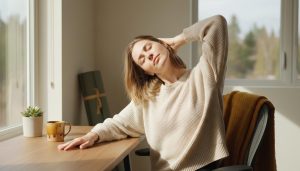
Two years ago, as a lead strategist buried under endless deadlines and early meetings, my mornings felt like a whirlwind of scattered thoughts and tight shoulders. I stumbled into gentle daily yoga flows during a lunch break experiment—just five minutes on my office floor—and it shifted everything. Those short sessions turned my chaotic starts into calm, focused routines, something I’ve tested and refined in my own home setup ever since.
Gentle yoga flows offer a realistic way to ease into movement without overwhelm, often supporting better stress handling and subtle energy lifts throughout the day. They fit busy schedules, requiring no gym or gear, and can help quiet the mind through simple, linked poses. In this guide, we’ll cover why they work, easy setups, beginner poses, tailored flow options, breath tips, tracking methods, and safety notes—plus a FAQ to address common hurdles.
Today, pick one flow to try, perhaps the morning option, and jot down how your energy feels afterward. Small experiments like this build real habits over time. I’ve seen it in my routine: consistency brings noticeable calm without forcing big changes.
Why Gentle Flows Tame Your Daily Stress Response
Gentle yoga flows can help dial down the body’s stress response by engaging the parasympathetic nervous system, which promotes relaxation. Practices like slow holds and smooth transitions often lower cortisol levels, as trends in research on yoga suggest improved mood regulation and reduced tension. This happens through mindful movement that interrupts the fight-or-flight cycle, fostering a sense of groundedness.
In my own routine, starting with 10 minutes most mornings often quiets my racing thoughts from the night before. I notice my focus sharpens for work tasks afterward, without the crash from caffeine alone. These effects tend to build gradually, making daily flows a light anchor for calmer days.
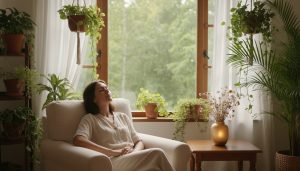
Light exposure during morning flows may also sync with your circadian rhythm, supporting steady energy. Evening versions can signal wind-down, easing into rest. Overall, these mechanisms make gentle flows accessible for stress taming.
Setting Up a Cozy Corner for Home Flows
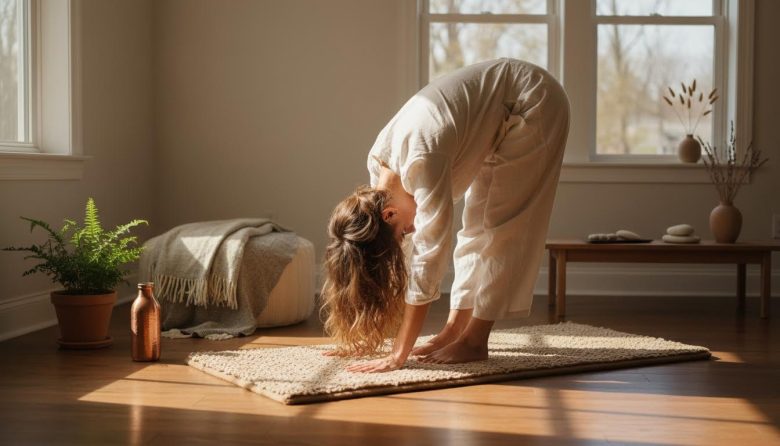
Creating a dedicated spot keeps flows inviting and doable. Start with a soft surface like a living room rug or folded blanket—no yoga mat required if space is tight. Dim the lights or open a window for natural calm, and keep it clutter-free to signal “this is flow time.”
In my setup, I use the rug by my couch with a cushion for support. It takes under two minutes to clear, fitting seamlessly before coffee. Add a plant or favorite candle for a cozy vibe that encourages return visits.
Props like a pillow or towel work for modifications. Test your corner for a week; adjust based on comfort. This simple ritual often boosts motivation without overcomplicating things.
6 Beginner Poses to Link into Smooth Flows
These six poses form the backbone of gentle flows, each with easy steps and holds of 20-30 seconds. Link them breath-to-breath for smoothness. I’ve tweaked them in my routine for everyday realism.
- Cat-Cow Pose: On hands and knees, inhale to arch your back (Cow), exhale to round it (Cat). Repeat 5 times. This warms the spine gently, easing morning stiffness in my practice.
- Child’s Pose: Kneel, fold forward with arms extended, forehead to floor. Breathe deeply for 30 seconds. It releases lower back tension—a go-to reset for me midday.
- Seated Forward Bend: Sit with legs extended, hinge at hips to fold forward. Hold loosely. Softens hamstrings without strain; I use a pillow under knees for comfort.
- Downward-Facing Dog: From hands and knees, lift hips up and back into an inverted V. Pedal feet gently. Builds light strength; shorten for beginners like I did initially.
- Low Lunge: Step one foot forward into a kneel, hips sinking low. Switch sides. Opens hips subtly—key for desk-bound days in my routine.
- Corpse Pose: Lie flat, arms at sides, eyes closed for 1 minute. Integrates the flow. Always ends my sessions with true stillness.
Experiment with order: Cat-Cow into Child’s, then Lunge to Dog. Hold props nearby for tweaks. These build confidence quickly when practiced daily.
Daily Flow Options Tailored to Your Schedule
Match flows to your day for sustainability. The table below outlines options with key details, helping you scan and choose. I’ve relied on these in my varying workweeks.
| Flow Time | Duration | Focus | Key Poses | Quick Benefit |
|---|---|---|---|---|
| Morning | 10 min | Energy boost | Cat-Cow, Low Lunge, Downward Dog | Tends to lift mood and alertness |
| Midday | 5 min | Tension release | Child’s Pose, Seated Forward Bend, Cat-Cow | Often eases desk hunch |
| Afternoon | 8 min | Focus refresh | Low Lunge, Downward Dog, Corpse Pose | May steady energy dips |
| Evening | 15 min | Wind-down | Seated Forward Bend, Child’s Pose, Corpse Pose | Supports calm before bed |
Customize by swapping poses based on needs. Start with one per day. Track which fits your rhythm best.
For evenings, blending flows with ideas from How to Enjoy Relaxed Evenings Without Screens enhances the unwind without extra effort.
Breath Cues That Amplify Every Movement
Breath syncs movement for deeper calm, often steadying heart rate variability through deliberate inhales and exhales. Simple cues like inhaling on extensions and exhaling on folds amplify flows. This parasympathetic boost makes poses feel lighter.
Try these four integrations:
- Inhale to lift in Cat-Cow, exhale to round.
- Ujjayi breath: Soft throat hum on exhales for focus—my staple in longer holds.
- 4-count breath: Inhale 4, hold 4, exhale 4 in Child’s Pose.
- Dirga breath: Belly-chest-clavicle expansion for Corpse Pose relaxation.
Combining with techniques from How to Practice Easy Deep Breathing Anywhere and Beginner’s Guide to Mindful Breathing Exercises keeps my practice effortless. Experiment to find your rhythm; it often heightens the flow’s stress-taming effects.
Tracking Simple Signals from Your Flows
Monitor progress with easy check-ins to stay motivated. Note energy, mood, and sleep on a phone app or notepad post-flow. Rate 1-10 for quick insights.
Three trackers I’ve used:
- Pre/post energy levels daily.
- Mood shifts after a week.
- Sleep quality patterns over time.
Experiment one flow weekly, adjust based on signals. In my routine, this revealed mornings best for me. Small notes compound into lasting tweaks.
Safety Notes: Honoring Your Body’s Signals
Listen to your body—ease off at sharp pain or dizziness. Modify with props like cushions for wrists or knees. Most find these gentle, but consult a doctor for recent injuries or conditions.
Start slow, especially if new to movement. Breathing stays steady; no forcing. This approach keeps practice sustainable.
Frequently Asked Questions
How often should beginners practice gentle flows?
Three to five days a week often builds habits without overwhelm, allowing rest days for recovery. Track your energy—if it dips, scale back. Consistency matters more than daily intensity for most.
Do I need flexibility to start yoga flows?
No, gentle poses adapt to your current range with modifications like bent knees or props. Progress varies by individual; focus on breath and comfort over depth. Many, like me initially, see gains in weeks.
What if a pose feels uncomfortable?
Modify by widening stance or using support, or skip to the next. Persistent discomfort? Check with a teacher or doctor. Listening inward prevents setbacks.
Can these flows improve sleep or stress?
Evening flows may support circadian calm and stress response regulation, with trends showing better rest in practitioners. Results vary by lifestyle; combine with hydration and routines. My tracking showed subtle sleep lifts.
How do I progress without pushing too hard?
Add one to two minutes or an extra pose weekly if energy allows and comfort holds. Guardrail: no strain. Gradual layers, as in my two-year evolution, yield steady gains.
Pick one flow today, track for a week—small shifts in energy and calm add up realistically. These routines have anchored my days; yours can too with light experimentation. Keep it simple and return often.