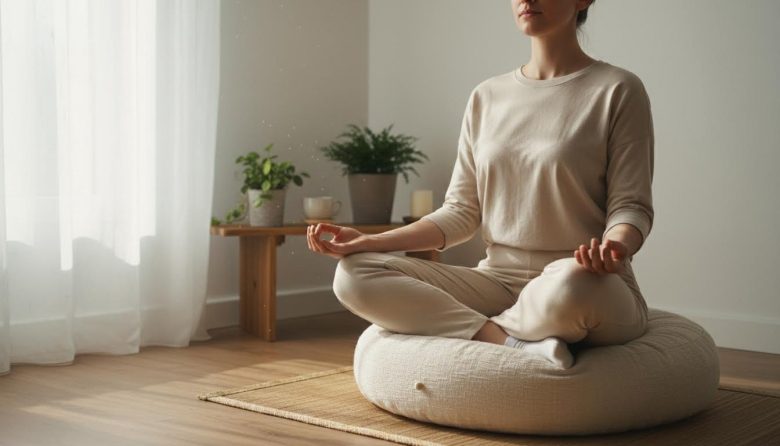
I remember my mornings used to feel like a whirlwind. Coffee spilling, emails piling up, and that constant buzz of tension knotting my shoulders before 8 a.m. One busy week, I stumbled into a simple home meditation practice after reading about its stress-taming effects. Just five minutes in my living room changed everything—my chaotic starts turned into calmer launches, proving anyone can do this without fancy retreats or apps.
Home meditation stands out for beginners because it’s flexible and free. You don’t need a guru or silent mountain; a quiet corner works fine. Science points to benefits like dialing down the body’s stress response, which often leaves us frazzled. Studies on mindfulness show it can ease anxiety symptoms over time, supporting better focus and sleep.
In my routine, these short sessions became a anchor. They fit between brushing teeth and breakfast, helping me greet the day steadier. If you’re nodding along, try one breath tip from this guide today—notice how your shoulders drop even after a single go.
Why Home Meditation Tames Your Daily Stress Response
Our bodies have a built-in alarm system called the sympathetic nervous system. It ramps up during stress, releasing cortisol that keeps us alert but wired. Home meditation often activates the opposite—parasympathetic calm—which slows heart rate and eases that fight-or-flight loop.
This shift supports circadian rhythms too, the internal clock that governs energy and rest. Evening tension from a long day tends to linger without intervention. Regular practice can help smooth these peaks, fostering steadier moods.
In my own life, 10-minute sessions before dinner lowered my end-of-day edginess. I’d feel the difference in looser muscles and quicker sleep onset. It’s not instant magic, but consistent tries build that resilience gently.
Research backs this with attention to breath work, which quiets mind chatter. Over weeks, many report fewer stress spikes. Your results may vary, but the mechanism makes sense for everyday calm.
Creating Your Clutter-Free Meditation Haven in Any Room
Start small—no need for a dedicated zen room. Pick a spot that’s easy to access, like a bedroom corner or kitchen chair. Clear surface clutter to signal your brain it’s time to unwind.
Dim lighting helps mimic sunset hues, cueing relaxation. A soft lamp or natural window shade works well. Add a personal touch, like a plant, to make it inviting without overthinking.
Here’s what to try for quick setups:
- Grab a favorite cushion or folded blanket for back support—tested in my hallway nook.
- Use sheer curtains to soften harsh light, calming eye strain from screens.
- Place a small scented candle (unlit if fire’s a worry) for gentle aroma association.
- Keep a timer nearby, like your phone on silent, to avoid clock-watching stress.
These tweaks took me under five minutes to arrange. They turned ordinary spaces into calm zones, realistic for apartments or busy homes.
Breath Anchors: Easiest Entry Points for New Meditators
Breath practices anchor your attention simply because breathing is always happening. They train the wandering mind, a common hurdle backed by attention studies. Focusing here often reduces rumination, letting thoughts pass like clouds.
One option: 4-7-8 breathing. Inhale for four counts, hold seven, exhale eight. This rhythm may slow your pace, easing tension buildup.
Another: Box breathing, used by athletes for focus. Inhale four, hold four, exhale four, hold four. It creates even cycles that steady the nervous system.
Try simple counting too: Note each in-breath as one, up to ten, then restart. This builds awareness without complexity. I rotate these in my sessions for variety.
These draw from practices in How to Try Basic Mindfulness in Daily Moments, extending breath work into daily pauses. They suit beginners by keeping it body-based and short.
5 Steps to Your First 5-Minute Home Session
Follow these sequential steps for a guided first try. Each builds on the last, keeping it straightforward.
-
Find your spot and set a timer for five minutes. Choose a quiet time, like post-coffee calm. Silence notifications to minimize pulls.
-
Sit comfortably with eyes softly closed or gazing down. Let your hands rest palms up on knees. Spine straight but relaxed—no straining.
-
Anchor to your breath: Count each inhale as one, exhale two, up to ten. Feel the air at your nostrils. This grounds you quickly.
-
When your mind wanders—and it will—gently return to the count. No judgment; it’s normal training. Each return strengthens focus.
-
End with a grateful note: Think of one small good, like fresh air. Track your mood pre- and post- in a note app. Notice subtle shifts over days.
This sequence, honed in my trial-and-error mornings, totals under 10 words of instruction per step. It empowers without overwhelm, perfect for home starts.
Fitting Meditation into Mornings Without Overhauling Your Day
Mornings offer fresh minds, ideal for brief sits. Slip it in post-wakeup, before screens hijack focus. Aim for consistency over length.
My routine: Alarm, stretch, five-minute breath, then coffee. This sequencing boosts my energy without rush. It pairs well with light habits for sustained calm.
For doable integrations:
- Tie it to brushing teeth—stand still and count breaths.
- Do it in bed if sitting’s tough, eyes on ceiling.
- Follow with a walk, blending movement for full routine flow.
Details from Your Easy 7-Day Morning Calm Routine expand this, with trackers for real shifts. Experiment and note energy changes; mornings often show quickest wins.
Even three minutes counts. Track how it ripples into less midday drag.
Sidestepping Beginner Stumbles Like Restlessness or Doubt
Restlessness hits many early on—legs fidget, mind races. It’s the brain adjusting; shorten sessions if needed. Stand or walk slowly while breathing to ease it.
Doubt whispers “this isn’t working.” Remind yourself progress hides in small returns to breath. My first weeks felt futile, but tension eased by week three.
Be cautious if anxiety spikes sharply—pause and breathe normally. Those with mental health history may consult a doctor first. Shorten or skip on tough days; flexibility prevents burnout.
Common fixes: Alternate techniques, keep eyes open if dizzy. These guardrails keep practice light and sustainable.
Simple Ways to Notice Meditation’s Ripple Effects at Home
Track with a quick journal: Pre-session mood (1-10), post-energy note. Apps like Daylio simplify without fuss. Patterns emerge in a week.
Watch home cues: Quicker patience with kids, sounder naps. My evenings grew quieter, less scrolling. These signals confirm it’s helping.
Experiment one week, tweaking spots or breaths. Log sleep quality or snack urges too—links to Quick Tips for Healthier Light Snacks Anytime show how calm curbs munchies. Celebrate small wins to stay motivated.
FAQ
How long should beginners meditate each day?
Start with 3-5 minutes to build habit without pressure. Many find 10 minutes doable after a week, but listen to your energy. Consistency trumps duration—daily shorts often yield steadier calm than marathon sessions.
What if my mind wanders constantly?
Mind wandering is the norm, even for pros; it’s how brains work. Gently redirect without self-criticism—each return counts as practice. Over time, focus strengthens, but expect 50% drift early on.
Do I need special apps or gear?
No gear required—a chair and timer suffice. Free phone timers work fine; apps add guidance if wanted but aren’t essential. Keep it simple to avoid setup barriers.
Can meditation help with sleep issues?
It often supports better sleep by quieting evening stress responses. Evening sessions may ease bedtime rumination, but results vary by person. Pair with dim lights for amplified effects, tracking nights for patterns.
When should I seek guided help?
If frustration persists beyond two weeks or discomfort arises, try free online guides. Professionals suit those with trauma history or persistent anxiety. Local classes offer community without commitment.