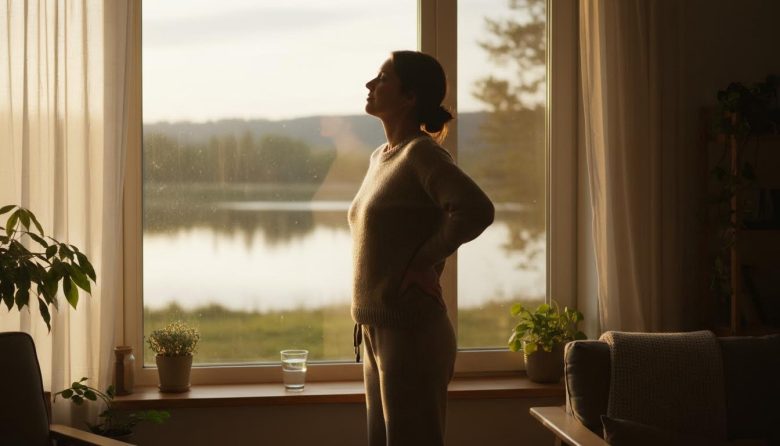
Picture this: You’ve spent hours hunched over your desk, emails piling up, and that familiar tightness creeps into your shoulders and neck. It’s your body’s way of signaling stress, tightening muscles to prepare for action, even when you just need to finish a report. The good news? You don’t have to live with it. These everyday tips draw from science-informed ways to ease tension naturally, focusing on quick wins that fit busy schedules.
We’ll explore six simple strategies, from morning mobility to evening unwinds, each with plain explanations of why they help and easy steps to try. Many people notice calmer muscles after just a few minutes, and tracking your energy or mood can show even better results over time. Pick one to start today—maybe a deep breath right now—and see how it feels.
These approaches build on your body’s natural responses, like better blood flow or relaxed nerves, without fancy gear. They’re gentle, adaptable, and meant for real life, whether you’re at home or work. Ready for looser days? Let’s dive in.
Shake Off Morning Stiffness with Gentle Mobility
Why it helps: Light movement in the morning boosts circulation, helping blood carry oxygen to tight muscles while signaling your nervous system to shift from rest to gentle activity. This often eases overnight stiffness from poor sleep posture or stress carryover, without overdoing it.
What to try: Start with neck rolls—slowly tilt your head side to side, five times each way. Follow with cat-cow pose on all fours: arch your back up like a cat, then dip it down like a cow, for 10 breaths. Try ankle circles while seated, rotating each foot 10 times clockwise and counterclockwise.
Add shoulder shrugs: lift and drop them 15 times, breathing deeply. Or stand and do gentle side bends, reaching one arm overhead while leaning sideways, holding for 10 seconds per side. These take just 2-3 minutes post-wakeup or after your commute.
Real-life example: Sarah, a teacher, does neck rolls while her coffee brews. She reports less midday ache after a week. Safety / when to be cautious: Listen to your body—if something pinches, ease off or skip. Start slow if you’re new to movement.
Breathe Deep to Interrupt Tension Build-Up
Why it helps: Deep breathing activates the vagus nerve, which dials down your stress response and promotes parasympathetic calm. This can interrupt the cycle where shallow breaths keep muscles clenched, often leading to quicker relief during tense moments.
What to try: Practice 4-7-8 breathing: inhale for 4 seconds, hold for 7, exhale for 8—repeat four times at your desk. Box breath works well too: inhale 4, hold 4, exhale 4, hold 4, for three rounds anytime stress rises.
Sit tall and try belly breaths: place a hand on your stomach, breathe so it rises, not your chest, for two minutes. Do alternate nostril breathing: close one nostril, inhale through the other, switch and exhale—five cycles. Or hum on exhales during a walk, feeling vibrations loosen your jaw.
A client of mine uses box breath before meetings; her jaw tension fades fast. These fit anywhere, no setup needed. Experiment to find your favorite for instant shifts.
Warm Your Way to Looser Muscles
Why it helps: Heat dilates blood vessels, increasing flow to tense areas and softening muscle fibers that have knotted up from holding stress. It tends to mimic the relaxation of a massage, helping knots release without force.
What to try: End your shower with two minutes of warm water on shoulders and back, letting it cascade down. Use a heating pad or warm towel on your neck for 10-15 minutes while reading. Apply lotion post-shower and massage calves upward in slow circles.
Bonus: Fill a sock with rice, microwave for a minute, and drape over tight spots for DIY warmth. Sarah from earlier pairs this with her evening tea. Safety / when to be cautious: Skip heat on fresh injuries, swelling, or skin issues—opt for cool instead if unsure.
These rituals turn routine moments into relief. Track how your muscles feel after; many notice easier movement the next day.
Nourish with Tension-Calming Bites and Sips
Why it helps: Foods rich in magnesium and potassium, like bananas or leafy greens, support muscle relaxation by balancing electrolytes that stress depletes. Hydration plays a role too, as mild dehydration often amps up tension headaches or cramps.
What to try: Swap afternoon chips for a banana sprinkled with almonds—magnesium duo for quick calm. Sip chamomile or peppermint tea mid-morning; the warmth and herbs soothe nerves. Add spinach to lunch salads or smoothies for steady nutrient support.
Try dark chocolate (70% cocoa) as a treat—its magnesium helps without sugar spikes. Keep a water bottle with lemon slices nearby, aiming for steady sips. One reader munches pumpkin seeds during calls; her leg cramps eased up.
These swaps are simple and tasty. Notice energy dips less when you stay nourished this way.
Scan and Release with Quick Body Checks
Why it helps: Body scans build awareness of unconscious clenching, like raised shoulders, allowing you to release before tension builds. This interrupts habitual patterns tied to stress, fostering lasting looseness.
What to try: Every hour, pause and scan: drop shoulders, unclench jaw, relax hands—hold 10 seconds. During drives, check feet aren’t gripping pedals; wiggle toes freely. At lunch, scan from head to toes, softening each area.
Set a cue like standing up: roll eyes gently, wiggle jaw, shake arms. Evening wind-down: lie down, tense and release each muscle group for 5 seconds. Ties nicely into building a simple daily relaxation habit.
A busy mom I know cues scans at red lights—her headaches dropped. These micro-checks add up without effort.
Unwind Evenings to Prevent Overnight Tension
Why it helps: Evening rituals support your circadian rhythm, signaling recovery time so muscles don’t carry daytime stress into sleep. Dimming lights and gentle poses reduce cortisol, aiding deeper rest.
What to try: Dim lights an hour before bed and elevate legs against a wall for 5-10 minutes. Sip warm milk or golden milk (turmeric latte) to unwind. Do forward folds: stand, hinge at hips, let head hang for 10 breaths.
Explore a weekly evening routine to melt away stress for deeper integration. Gentle neck stretches while watching TV, or pair with your morning routine for focus and deep relaxation. Journal three gratitudes to shift mindset.
These prevent morning stiffness. One user sleeps better, waking looser—track your rest quality.
Your Simple Tension Relief Checklist
Use this daily checklist to track your wins. It integrates the tips above into an 8-item routine, fitting 10-15 minutes total. Mark as you go, note mood or energy shifts—small checks build calm habits.
| Habit | Done Today? | Notes on Energy/Mood |
|---|---|---|
| Morning mobility (2 min: neck rolls, shrugs) | [ ] | |
| Midday breath break (4-7-8, 2 min) | [ ] | |
| Warm ritual (shower or pad, 10 min) | [ ] | |
| Tension-calming snack/sip (banana, tea) | [ ] | |
| Quick body scan (shoulders/jaw, 1 min) | [ ] | |
| Afternoon ankle/foot release | [ ] | |
| Evening leg elevation (5 min) | [ ] | |
| Pre-bed forward fold or journal | [ ] |
Print or copy to your phone. Celebrate streaks—even one check eases tension. Adjust based on what boosts your day most.
Frequently Asked Questions
How quickly can these tips reduce my tension?
Many feel relief in minutes from breathing or scans, as they directly calm nerves. Habits like mobility or nutrition build over 1-2 weeks for steadier results. Track your mood or tightness on a 1-10 scale to see personal patterns—results vary by stress levels and consistency.
Are these safe if I have chronic pain?
These gentle tips often suit ongoing discomfort, but consult your doctor for underlying conditions like fibromyalgia. Start slow, one tip at a time, and stop if pain sharpens—focus on ease, not push. Pair with professional care for best support.
What if I forget to do them during a busy day?
Tie them to anchors like coffee breaks or emails—phone reminders for 1-2 favorites work wonders at first. Use the checklist above to stay accountable without overwhelm. Build one habit weekly for lasting flow.
Do I need any special tools or apps?
No, everything uses your body, shower, or kitchen staples like bananas or socks. A simple journal or phone notes app for mood tracking is optional but helpful. Keep it low-tech for easy daily wins.
Can diet really ease physical tension?
Hydration and magnesium-rich foods often support muscle relaxation alongside movement and breathwork—not as a solo fix. Notice if cramps lessen with steady water and nuts. Combine for fuller calm; tweak based on how you feel.