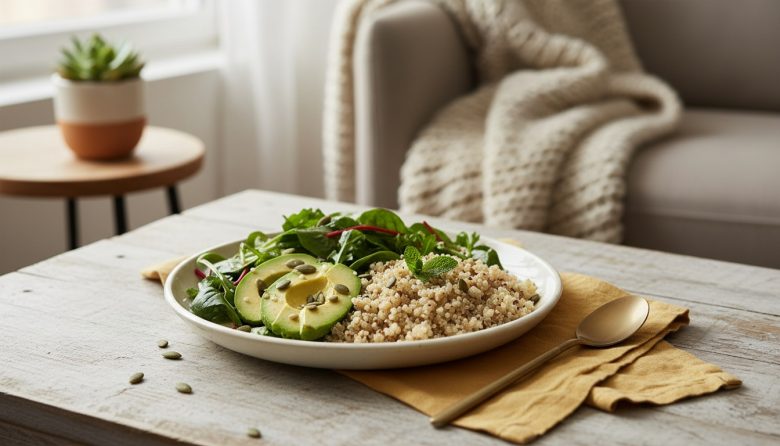
I’ve chased steady energy for years, but nothing hit home like my mid-afternoon crashes. Picture this: a heavy desk lunch of pasta and creamy sauce left me foggy by 2pm, eyelids drooping during calls. That changed when I shifted to lighter eating—balanced, smaller meals packed with veggies, lean proteins, and fiber to keep blood sugar even.
For the past six months, I’ve tested this routine daily. Now, my energy holds steady until 8pm most evenings, with fewer slumps and sharper focus through the afternoon. Lighter eating isn’t about restriction; it’s about smart choices that sustain you without the drag.
We’ll break it down: spotting crash triggers, balancing plates, timing portions, easy swaps, hydration ties, and a starter routine. Experiment with one idea this week—track your energy on a simple 1-10 scale. You’ll likely notice shifts quickly.
The Post-Meal Crash Trap: Spotting Heavy Hitters in Your Day
Heavy meals often spark a post-meal crash through insulin spikes from refined carbs and fats. Your body releases insulin to handle the quick sugar surge, dropping blood sugar too low soon after. This triggers fatigue, brain fog, and even mild stress responses.
Why it helps to spot these: Identifying them lets you tweak without overhauling everything. In my routine, I caught greasy takeout lunches as my main culprit—swapping them cut crashes by half.
What to try:
- Check for grease shine: If food leaves oily residue, it slows digestion and amps fatigue.
- Starchy overload scan: More than half plate rice, bread, or pasta? That’s a spike risk.
- Post-meal timer: Note energy dip timing after meals for a week to pattern-match.
These quick checks take seconds and build awareness fast.
Balancing Blood Sugar with Light, Fiber-Rich Plates
Glycemic load measures how foods affect blood sugar—high from sugary or starchy items, low from fiber-rich whole foods. Fiber slows glucose release, keeping levels steady. This avoids the cortisol dips that follow sharp drops.
Why it helps: Steady glucose supports consistent energy and mood, often reducing that 3pm haze. I swapped white rice for quinoa in lunches; my focus sharpened through meetings.
What to try—build plates like this:
- Half veggies: Leafy greens or broccoli add volume and fiber without calories.
- Quarter lean protein: Chicken, fish, eggs, or tofu stabilize release.
- Quarter complex carb: Quinoa, sweet potato, or lentils for sustained fuel.
- Drizzle healthy fat: Avocado or nuts for satiety without heaviness.
One week of this, and my all-day rhythm improved noticeably.
Portion Rhythm: Eating Smaller More Often for Even Flow
Your circadian rhythm ties to natural hunger waves—morning active, afternoon steady, evening wind-down. Smaller, frequent meals align with this, preventing overload on digestion.
Why it helps: It avoids blood sugar rollercoasters from big loads. My shift to three meals plus two snacks keeps me even-keeled.
What to try:
- Breakfast by 8am: Oatmeal with berries and nuts.
- Mid-morning snack: Apple with almond butter around 10:30am.
- Lunch 12:30pm, snack 3pm, dinner 6:30pm: Space 3-4 hours apart.
Safety / when to be cautious: Listen to true hunger cues. If diabetic or on blood sugar meds, consult your doctor before changes.
Smart Swaps That Lighten Favorites Without Sacrifice
Swaps keep meals enjoyable while cutting heaviness. Focus on volume from veggies and fiber to mimic fullness. I’ve tested dozens; zucchini noodles over pasta transformed my dinners without missing out.
What to try: Use the table below for quick wins. Each swap often sustains energy 3-4 hours longer by balancing glycemic impact.
| Heavy Option | Lighter Swap | Why It Helps Keep Energy Steady |
|---|---|---|
| Creamy pasta | Zucchini noodles with tomato sauce and turkey | Fiber from zoodles slows sugar release; lower calorie density prevents overload, often sustains 3-4 hours. |
| Fried rice | Cauliflower rice with veggies and shrimp | Cauli’s low glycemic load evens glucose; high water content adds volume without crash risk. |
| Heavy sandwich (white bread, mayo) | Whole grain wrap with hummus, greens, turkey | Fiber and protein pair tempers spikes; tends to hold focus through afternoons. |
| Potato fries | Baked sweet potato wedges with herbs | Slower-digesting carbs plus skin fiber stabilize energy; less oil aids lighter digestion. |
| Creamy soup | Broth-based veggie soup with lentils | Broth hydrates while lentils provide steady protein; often curbs mid-meal slumps. |
| Cheese-loaded pizza | Thin flatbread with veggies, light cheese, chicken | More veggie coverage lowers glycemic hit; balanced toppings extend satisfaction. |
Pick one swap per day to start. These have kept my favorites in rotation while boosting pep.
Combining these with brief mindfulness pauses, like those in How to Try Basic Mindfulness in Daily Moments, sharpens the energy gains even more.
Hydration and Light Eating: The Combo for Afternoon Pep
Thirst often masquerades as hunger, leading to heavier choices. Water aids digestion of fiber-rich meals, preventing bloat.
Why it helps: Proper hydration keeps blood volume steady, supporting nutrient delivery. Half my meals now pair with infused water—noticeable afternoon lift.
What to try:
- Infused water: Cucumber-lemon with lunch.
- Herbal tea post-meal: Peppermint eases digestion.
- Meal starter: 8oz water 10 minutes before eating.
Your Lighter Eating Routine: Start Simple, Track Wins
Build a weekly plan that fits your life. Start with four days to test flow.
What to try—a 4-day starter:
- Day 1-2: Swap one heavy lunch for fiber plate (e.g., salad with quinoa).
- Day 3: Add mid-morning snack; track energy hourly.
- Day 4: Full rhythm—three meals, two snacks; journal mood at 2pm and 5pm.
Log simple signals: energy level, focus ease, crash timing. After one week, tweak based on wins.
Safety / when to be cautious: Ease in if highly active—increase portions gradually. Noticeable calm pairs well with evening unwinds from a Weekly Evening Routine to Melt Away Stress.
Try one swap this week. Note your energy shift—small changes add up.
I’ve layered in quick tension releases too, as shared in How to Ease Muscle Tension with Quick Touches, for full-day steadiness.
FAQs: Fine-Tuning Lighter Eating for Your Life
Can lighter eating work if I’m super active or athletic?
Yes, it often boosts recovery by prioritizing nutrient-dense foods. Scale portions up with extra protein and complex carbs around workouts. Track energy during sessions to fine-tune—many athletes report steadier performance.
Will I feel hungry switching to lighter meals?
You may at first, as habits adjust. High-fiber volume from veggies fills the gap quickly. Experiment 3-5 days, adding low-cal extras like cucumber if needed.
How soon do I notice steadier energy?
It tends to show in 2-4 days for most. Results vary by your baseline diet and sleep. Log daily mood and energy to spot patterns early.
Is lighter eating okay for weight maintenance?
Absolutely, especially if heavy meals triggered overeating. Emphasize nutrient density over restriction for sustainable flow. Monitor hunger cues to keep balance.
What if I have blood sugar issues or medications?
Consult your doctor first for tailored advice. Make gradual changes and monitor blood sugar closely. Professional input ensures safety with your specifics.