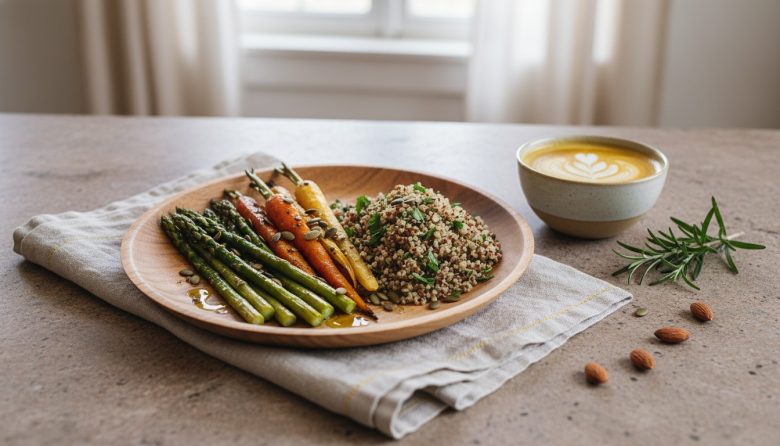
Ever feel weighed down after a heavy meal, even when your intentions are good? That sluggishness can sneak up, especially on busy days, leaving you foggy and tired. Light healthy eating isn’t about restriction—it’s balanced, portion-aware choices that support steady energy, smooth digestion, and better rest. Our bodies often respond well to lighter gut loads, reducing the energy drain from heavy processing.
Picture a working parent who swaps a creamy cereal bowl for a simple yogurt with fruit. Suddenly, their morning flows smoother, with energy holding steady through meetings. This daily plan offers flexibility for real life, with easy tweaks across meals. Try it for a week, and notice shifts in your mood or vitality—small changes can build lasting ease.
Wake Up Gently: Light Breakfasts That Steady Your Morning
Why it helps
Lighter breakfasts can align with your circadian rhythms, helping ease morning cortisol rises and blood sugar swings. When you choose options rich in fiber and gentle proteins, your body tends to maintain steadier energy rather than spiking and crashing. This supports focus without the mid-morning drag many feel after heavier starts.
What to try
- Blend a veggie-packed smoothie with spinach, banana, and a scoop of Greek yogurt—quick and hydrating.
- Prepare overnight oats topped with fresh berries and a sprinkle of nuts for natural sweetness.
- Opt for a chia seed pudding made with almond milk and sliced kiwi, ready in minutes the night before.
- Try avocado toast on whole-grain bread with a poached egg, keeping portions modest.
A teacher I know swapped sugary cereal for a yogurt parfait layered with granola and berries. She noticed sustained focus during her first classes, without the usual 10 a.m. slump. Experiment with one idea, tracking how your energy feels by noon.
Midday Refresh: Lunches for Focus Without the Fog
Why it helps
A balanced lunch with fiber and lean proteins often keeps blood sugar stable, dodging that post-meal fog. Heavy carbs can pull energy toward digestion, leaving your brain wanting. Lighter choices tend to sustain alertness, especially when paired with veggies for volume without overload.
Combining this with a morning routine for focus and deep relaxation sets up sharper afternoons naturally.
What to try
- Build a salad with mixed greens, grilled chicken, cherry tomatoes, and a light vinaigrette.
- Make a whole-grain wrap filled with turkey, cucumber slices, and hummus for creaminess.
- Assemble quinoa bowls with chickpeas, roasted zucchini, and lemon dressing—prep once for days.
- Go for lentil soup with a side of carrot sticks and a small apple for crunch.
A remote worker started prepping quinoa bowls on Sundays. Her afternoons sharpened; no more nodding off during calls. Pick two favorites and rotate, noting if your focus holds longer.
These midday meals bridge your morning calm into productive hours seamlessly.
Evening Wind-Down: Dinners That Invite Restful Sleep
Why it helps
Lighter evening meals reduce digestive demands close to bedtime, which may support melatonin production for deeper rest. Heavy foods can linger in the gut, disrupting sleep cycles. Gentler options often leave you feeling settled, easing into night.
Explore how to choose foods that promote easy digestion to refine these further.
What to try
- Grill white fish like cod with steamed broccoli and a quinoa side.
- Simmer a vegetable soup with herbs, carrots, and a bit of tofu.
- Sauté lean turkey stir-fry with bell peppers and brown rice in small portions.
- Bake salmon with asparagus and sweet potato wedges, seasoned simply.
One parent tried veggie stir-fries a few nights a week. She slept deeper, waking refreshed for family mornings. Start with familiar flavors, adjusting as you go.
Safety / when to be cautious
If you have ongoing digestive issues, chat with your doctor before big changes. Ease in gradually to let your body adjust—listen to hunger cues along the way.
These dinners flow naturally into evening calm, setting up restorative nights.
Bridge the Day: Snacks That Nurture Without Overload
Why it helps
Smart snacks can prevent energy dips by gently stabilizing blood sugar between meals. Rather than overloading, they provide sustained nourishment. This keeps cravings at bay without tipping into excess.
What to try
- A handful of almonds with apple slices for crunch and satisfaction.
- Veggie sticks like celery with a dollop of hummus.
- Fresh pear paired with a few cheese cubes, portioned mindfully.
A daily commuter grabbed apple slices mid-afternoon. Cravings faded, and evenings felt lighter. Tuck these into your routine, observing steadier moods.
Hydration as Your Silent Ally in Light Eating
Water and herbal teas amplify light eating by promoting fullness and aiding digestion. Sipping throughout enhances veggie intake’s ease, curbing overeating signals. Try infused waters with cucumber or lemon—refreshing and simple.
Time sips: a glass before meals, herbal tea post-dinner. One friend added this routine; her meals felt even lighter, boosting overall satisfaction. Track how hydration ties into your energy flow.
Everyday Swaps for Lighter, Healthier Meals
Visual swaps make light eating approachable. Pick two or three to test this week—they pair familiar habits with gentler alternatives, easing digestion and energy balance. See the table for quick ideas.
| Heavier Habitual Choice | Lighter Swap Idea | Why It Supports Light Eating | Easy Prep Tip |
|---|---|---|---|
| Big bowl of pasta | Veggie noodle stir-fry | Eases digestion load with more fiber | 10-min sauté with olive oil |
| Fried sandwich | Turkey and veggie roll-up | Steady energy from lean protein | No-cook assembly in 5 minutes |
| Creamy loaded fries | Baked sweet potato wedges | Reduces fat burden on gut | Season and oven-roast 20 minutes |
| Heavy cheese pizza | Flatbread with tomato and herbs | Lighter carbs for evening ease | Top and broil for quick melt |
| Buttered bagel | Whole-grain toast with avocado | Balances fats for sustained fuel | Mash and spread fresh |
| Pastry snack | Greek yogurt with berries | Protein curbs hunger gently |
These swaps build confidence gradually. Notice how they fit your day, tweaking for taste.
Wrap your week with gentle experimentation—try three days of this plan. Track simple signals like energy levels or evening lightness in a quick note. Over time, these habits foster calm, nourished days without pressure. You’re building something sustainable, one light choice at a time.
Setting up a cozy home relaxation corner after dinner can enhance the wind-down beautifully.
FAQ: Your Light Eating Questions Answered
How many calories is “light” eating?
Light eating varies by person, activity, and needs—there’s no fixed number. Focus on portions that satisfy without heaviness, like filling half your plate with veggies. Tune into your body’s signals for what feels right.
What if I feel hungry on this plan?
Hunger can signal a need for more volume, so add non-starchy veggies like leafy greens or cucumbers. Protein and fiber combos often extend fullness. Adjust slowly, sipping water to distinguish true hunger.
Are there good vegetarian options?
Yes, options like tofu, lentils, eggs, or legumes fit seamlessly. A stir-fry with tempeh and broccoli works well for evenings. Variety keeps it enjoyable while supporting light balance.
Can kids follow a light eating plan?
Adapt gently for growing bodies—focus on colorful plates with fun veggies and modest portions. Involve them in swaps like fruit parfaits. Consult a pediatrician for personalized tweaks.
How do I track progress?
Use a simple mood journal: note energy, fullness, or sleep after meals. Apps or paper work fine. Review weekly for patterns, celebrating small wins like fewer slumps.