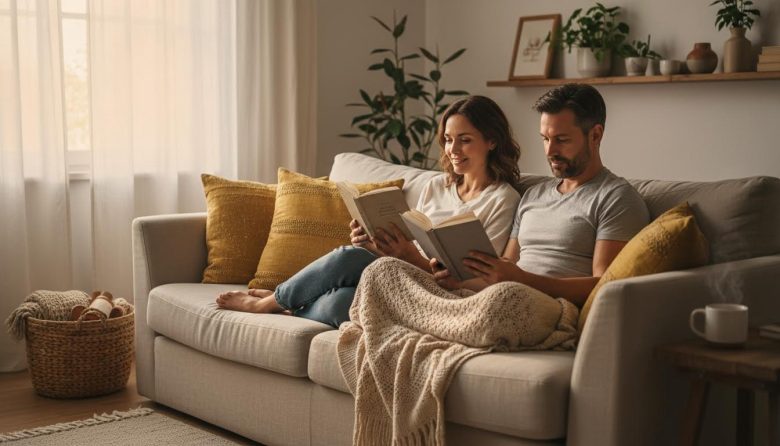
Picture this: You’ve finished dinner, the dishes are done, and you sink into the couch with your phone or TV remote. Hours slip by in a blur of scrolling, notifications, and endless episodes, leaving you wired instead of winding down. Many of us chase relaxation through screens, only to feel more fatigued the next day.
Science-informed swaps can shift this pattern toward true evening calm. Dimming blue light exposure often supports your natural melatonin rise, easing into better sleep and steadier moods. These gentle ideas fit busy lives, offering quick wins without overhaul.
As someone who’s traded late-night Netflix for cozy rituals, I know the difference a screen-free evening makes. You might notice calmer nerves and refreshed mornings sooner than expected. Try one swap tonight—perhaps brewing a warm tea—and see how it feels.
Why Screens Hijack Your Evening Calm
Screens emit blue light that can mimic daylight, tricking your brain’s circadian rhythm. This often delays melatonin production, the hormone that signals sleep time. Even if you’re tired, that light keeps your alertness high.
Notifications add another layer, triggering a quick stress response. Your body releases cortisol in small bursts with each ping, keeping relaxation at bay. Over time, this may fragment sleep and leave you groggy.
Consider a real-life example: Watching TV until 11 p.m. might push bedtime back by 30 minutes or more. Studies on light exposure show this common habit disrupts sleep onset for many. Gentle screen limits help restore balance.
Pairing this with ideas from Weekly Evening Routine to Melt Away Stress amplifies the effect. Your internal clock tends to reset with consistent dim evenings. Mood often steadies as stress responses quiet down.
It’s not about perfection—screens have their place. But evenings offer a prime window for calm. Understanding these mechanisms empowers simple changes.
Set Up Your Cozy Screen-Free Haven
Start by creating a dedicated space that invites unwind. Dim the lights or use warm bulbs to signal rest to your body. This mimics sunset, supporting your circadian rhythm naturally.
Set up a phone charging station far from your cozy spot—perhaps in another room. Out of sight reduces temptation. Add soft throws or candles for sensory comfort.
Prep the night before: Choose a book or journal and place it ready. These small setups take under five minutes but build momentum. You’ll find yourself drawn to calm over scrolling.
One busy mom I know charges devices in the kitchen post-dinner. Her living room became a haven, easing her into sleep faster. Experiment to find your flow.
Savor Simple Pleasures with Hands-On Rituals
Brewing herbal tea engages your senses without screens. The steam, aroma, and slow sip ground you in the moment. Chamomile or peppermint often soothes without caffeine jitters.
Try light journaling: Note three gratitudes or tomorrow’s top task. This quiets mental chatter, much like a brain dump. Keep it to five minutes for quick relief.
Listen to soft music or nature sounds via a non-screen speaker. Let melodies wash over you, easing tension. Real-life win: One reader reported deeper breaths after swapping podcasts for vinyl.
Safety note: If caffeine-sensitive, skip teas with any stimulants after 3 p.m. Opt for decaf or rooibos. Listen to your body.
These rituals build lasting calm habits gently. They fit snugly into evenings, offering joy without pressure.
To make swaps intuitive, here’s a quick comparison of common habits and alternatives. This table highlights evidence-aware options that support relaxation.
| Usual Screen Habit | Relaxed Alternative | Why It Helps | Time Needed |
|---|---|---|---|
| Endless social media scrolling | Reading a physical book | Eases eye strain, boosts imagination, supports melatonin rise | 20 minutes |
| Binge-watching shows | Brewing and sipping tea mindfully | Engages senses, calms stress response without blue light | 10 minutes |
| Checking news feeds | Light stretching or yoga poses | Releases muscle tension, steadies breathing | 15 minutes |
| Email or work apps | Journaling gratitudes | Clears mental load, fosters positive mood shift | 5 minutes |
| Mindless YouTube videos | Simple puzzle or coloring | Promotes flow state, reduces cortisol | 25 minutes |
| Pre-bed phone gaming | Warm foot soak or lotion ritual | Grounds body, signals wind-down to circadian rhythm | 10 minutes |
Use this as a menu—pick one row per evening. Track what lifts your calm most.
Unwind Your Body with Gentle Evening Flows
Gentle stretches counter desk-bound days. Try child’s pose or forward folds to release back tension. These activate your parasympathetic system, promoting rest.
A short walk around the block exposes you to natural dusk light. This helps regulate circadian cues without screens. Keep it leisurely—no rushing.
One dad shared how five minutes of neck rolls post-dinner eased headaches. Pair with deep belly breaths: In for four, out for six. Feel the shift?
Low-pressure movement often improves sleep quality. It tires the body gently, prepping for rest. Start small to build the habit.
Link this to How to Unwind Quickly After Work Stress for fuller relief. Your evenings transform with these flows.
Rediscover Joy in Creative, Glow-Free Pursuits
Dust off puzzles or knitting for hands-busy calm. These foster a flow state, quieting racing thoughts. No skills needed—simpler is better.
Coloring books for adults engage creativity without pressure. Use pencils for tactile joy. Many report mood lifts after 15 minutes.
A friend tracks her evenings: Puzzle nights score higher on calm than TV. Rotate options to keep it fresh. What sparks joy for you?
These pursuits often boost dopamine naturally. They replace screen highs with sustained peace. Evening creativity nurtures lasting well-being.
Nurture Connections Through Undivided Presence
Chat with loved ones using open prompts: “What made you smile today?” This builds bonds sans distractions. Eyes meet, presence deepens.
Play board games or cards—no apps needed. Laughter flows freely. Family ties strengthen in these glow-free moments.
Lead by example in shared spaces. Calm spreads. Even solo, call a friend voice-only.
Complement with Simple Tips for a Peaceful Daily Environment. Connections thrive here.
Track Wins and Tweak for Your Rhythm
Note simple signals: Morning energy, sleep ease, evening mood. Jot in a bedside notebook. Patterns emerge quickly.
Experiment freely—one week per swap. What works for your body? Adjust without judgment.
Celebrate small wins, like falling asleep faster. This reinforces habits. You’re crafting your calm rhythm.
Frequently Asked Questions
What if I rely on screens to relax after a tough day?
It’s common—screens feel like an easy unwind. Start gradual: Set a 30-minute post-dinner buffer with breathing (four in, six out). Bridge to swaps like tea rituals, building tolerance for calm without glow.
Acknowledge tough days vary; pair with a walk if needed. Over time, your relaxation response strengthens naturally.
How soon might I notice calmer evenings?
Often within a week, as circadian adjustments kick in. Track personal signals like easier sleep onset or brighter mornings. Results vary by consistency and baseline habits.
If slower, tweak lighting or add stretches. Patience pays off.
Is it okay for kids or partners to keep screens on?
Lead by example—your calm can inspire theirs. Create shared screen-free zones, like dinner to bedtime. Discuss benefits together for buy-in.
Family rhythms differ; gentle nudges work best over rules.
What about work emails or essential evening screen use?
Set firm boundaries: Use auto-replies after 7 p.m., batch-check once. Build a 60-minute wind-down buffer post-work. Blue-light glasses help if unavoidable.
Prioritize rest—work waits. This protects your recovery.
Can this help with sleep issues?
It may support circadian reset and better sleep hygiene for many. Track improvements, but if issues persist, consult a doctor or sleep specialist. Not a standalone fix.
Combine with consistent bedtimes for best odds. Your body appreciates the support.