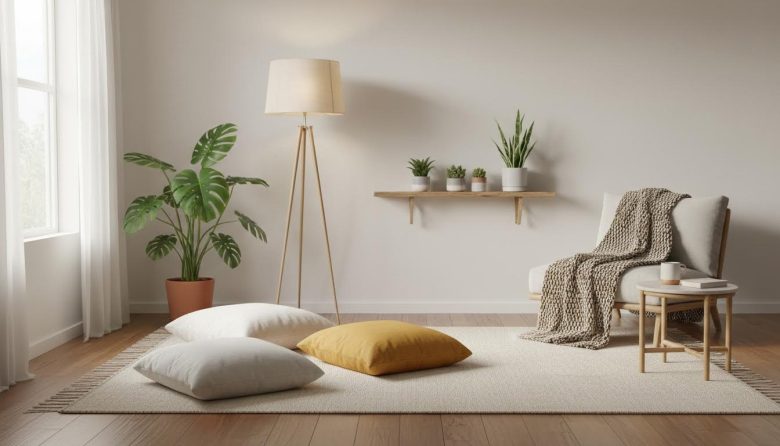
Picture this: a few years back, my home office was a disaster zone—stacks of papers everywhere, constant notifications pinging, and fluorescent lights buzzing overhead. I’d start each day feeling frazzled, my shoulders tense before 9 a.m. even hit. That chaos wasn’t just annoying; it was wearing down my nervous system, ramping up cortisol and leaving me drained by noon.
Over time, I experimented with small changes, turning that space into a calm retreat. Clutter cleared, sounds softened, light adjusted—the difference was night and day. Today, I want to share six practical strategies I’ve tested in my own routine, from morning anchors to evening wind-downs. They target the subtle environmental cues that influence our stress response.
These aren’t overhauls; they’re doable tweaks for everyday life. Often, they help steady your mood and energy by supporting your body’s natural rhythms. Try one or two this week, then track your mood in a quick evening note—maybe on a scale of 1 to 10. You might notice calmer afternoons sooner than you think.
Craft a Gentle Morning Anchor to Ease into the Day
Your mornings set the tone for everything else. A rushed start can spike cortisol, the stress hormone that peaks naturally around wake-up but dips if you ease in gently. Aligning with your circadian rhythm through simple rituals often helps smooth that transition, fostering focus without the jitters.
Why it helps: This anchors your internal clock, reducing the fight-or-flight mode that clutter or haste can trigger. Steady mornings tend to carry calmer energy through the day, as I’ve found in my routine.
What to try:
- Start with a hydration ritual: Drink 16 ounces of water with lemon first thing. I keep a glass by my bed—it’s refreshing and kickstarts metabolism after overnight fasting.
- Do 5 minutes of breathwork: Inhale for 4 counts, hold 4, exhale 6. This activates the parasympathetic system, slowing your heart rate gently.
- Set a no-phone zone for the first 15 minutes: Use that time for stretching or journaling instead. I pair it with looking out a window for natural light.
- Play a soft playlist: Choose instrumental tracks under 60 beats per minute. It syncs your pace without overwhelming your senses.
I’ve tested this anchor for months now, and my energy holds steadier until lunch. Give it a go and note how your midday mood shifts.
Declutter Corners for Mental Breathing Room
Visual clutter acts like background noise for your brain. It triggers a low-level stress response, as your eyes constantly scan and process disorder. Clearing even small areas can create mental space, letting your mind relax instead of multitasking on mess.
Why it helps: Less visual chaos means fewer distractions firing your amygdala, the brain’s alarm center. This often leads to quicker task focus and lower irritation levels.
What to try:
- Adopt the one-surface rule: Pick your desk or kitchen counter and clear it daily in under 5 minutes. File papers or toss trash right away.
- Use the 2-minute sort: If it takes less than 2 minutes to handle, do it now. I apply this to mail piles—keeps buildup at bay.
- Designate “zones”: Keep work items in one drawer, personal in another. Rotate seasonally to refresh.
- Box the “maybes”: Items you’re unsure about go in a sealed box for 30 days. If forgotten, donate—no looking back.
- Weekly 15-minute sweep: Set a timer for visible surfaces only. Make it a habit post-dinner.
Safety / when to be cautious: Start small to avoid overwhelm; if decluttering stirs strong emotions, pause and tackle one corner at a time.
When I cleared my office corners using these, it felt like lifting a fog. This approach ties into staying calm during hectic days, like in 8 Tips to Stay Calm During Hectic Days.
Tune Your Space with Soothing Soundscapes
Background noise, from traffic to chatter, disrupts concentration through constant auditory processing. It fragments attention and elevates stress hormones subtly. Curating calmer sounds can mask irritants and promote flow states.
Why it helps: Soothing audio engages the brain’s relaxation pathways, often lowering heart rate variability in noisy environments. It’s a buffer for your nervous system.
What to try:
- White noise apps: Try rain or ocean waves at low volume. I use one during work calls—it drowns out neighbor noise without distraction.
- Natural barriers: Place rugs or curtains to absorb echoes. Soft fabrics change room acoustics noticeably.
- Timed sound shifts: Mornings for birdsong, evenings for gentle chimes. Apps make rotation easy.
These tweaks transformed my afternoons. Noise sensitivity dropped, and I stayed productive longer.
Infuse Natural Light and Air to Lift the Vibe
Artificial light and stale air can dull mood by messing with serotonin and oxygen flow. Natural exposure helps regulate these, often brightening outlook without effort. Fresh circulation also clears mental cobwebs.
Why it helps: Morning light cues circadian rhythms, while airflow supports steady oxygenation for clearer thinking. This combo tends to ease tension built from indoor stagnation.
What to try:
- Timed window opens: 10 minutes every 2 hours for cross-breeze. I set phone reminders—feels invigorating.
- Morning sun soak: Sit by a window for 10 minutes post-wake. No sunglasses; let retinas catch the spectrum.
- Sheer curtains: Diffuse harsh direct light while keeping glow in. Adjustable for seasons.
- Plants for air: Low-maintenance ones like snake plant release oxygen overnight. Cluster near workspaces.
Safety / when to be cautious: If light-sensitive or photosensitive, use soft filters and consult a doctor for persistent issues.
Adding this to my routine lifted my vibe noticeably. It complements light stretches, as shared in How to Add Light Stretches to Your Day.
Everyday Do’s and Don’ts for Home Serenity
| Do | Don’t | Why It Helps |
|---|---|---|
| Dim lights after 8 p.m. | Scroll bright screens late | Supports melatonin onset for better sleep cycles. |
| Hydrate first thing | Rush coffee on empty stomach | Steadies cortisol dip, avoids jitters. |
| Clear one surface daily | Let piles accumulate | Reduces visual stress triggers. |
| Use white noise apps | Ignore traffic hum | Masks disruptions for focus. |
| Open windows midday | Stay sealed indoors | Boosts oxygen and mood hormones. |
| Set tech timers | Multitask notifications | Prevents dopamine fragmentation. |
| Journal evening prompts | Replay day’s worries | Shifts to parasympathetic calm. |
| Rotate plants weekly | Forget air circulation | Maintains fresh, vibrant space. |
Set Soft Boundaries with Tech and Interruptions
Tech pings create dopamine loops that splinter attention. Constant checks ramp up mental load, mimicking chronic stress. Gentle boundaries reclaim focus windows.
Why it helps: Scheduled breaks from stimuli let attention consolidate, often improving decision-making and reducing fatigue.
What to try:
- Tech timers: 25 minutes work, 5 off—no devices. I use a simple app; builds momentum.
- Communication cues: “Deep work 10-11 a.m.” in shared chats. Sets expectations kindly.
- Do-not-disturb modes: Auto-activate post-7 p.m. Exceptions for family only.
These kept my evenings freer. Simple, yet effective for daily peace.
Unwind Evenings with a Calming Close-Out Ritual
Evenings signal your body to downshift from sympathetic to parasympathetic mode. Skipping this can leave residual tension overnight. A light ritual cues rest effectively.
Why it helps: It reinforces circadian wind-down, often deepening sleep by lowering evening cortisol.
What to try:
- Herbal tea: Chamomile 30 minutes pre-bed. Warm, non-caffeinated calm.
- Journal prompt: “Three gratitudes or releases.” Clears mental loops.
- Dimmed reading: Physical book under soft lamp, 20 minutes.
- Legs-up-wall pose: 5 minutes against a wall. Eases circulation gently.
- Scent diffuser: Lavender for aroma cues. Subtle relaxation trigger.
This ritual, inspired by elements in Weekly Evening Routine to Melt Away Stress, improved my sleep quality fast. Experiment with two steps tonight, tracking rest on a 1-10 scale. Small consistencies build lasting calm.
FAQ
How quickly can these tips reduce daily stress?
Many notice shifts within a few days, especially with consistent morning or declutter habits. Results vary by starting stress levels and lifestyle—track energy or mood daily to gauge. Patience helps; tweaks compound over weeks.
Do they work in shared living spaces?
Yes, begin with personal zones like your desk or bedside. Involve housemates gently through shared benefits, like quieter evenings. Small wins encourage buy-in without conflict.
What if my environment can’t change much, like at work?
Focus on micro-adjusts: headphones for soundscapes, desk plant for air, or breath breaks. These portable habits bridge gaps. If stress persists high, consider professional input like a therapist.
Is there science behind sound and light tips?
Studies link noise reduction to lower cortisol and light exposure to melatonin balance. Individual responses vary due to genetics and habits. Evidence supports trying them as low-risk supports.
How to stick with these long-term?
Habit stack: Link a new tweak to an existing routine, like tea with journaling. Weekly check-ins note what works, tweaking as needed. Life changes, so flexibility keeps it sustainable.