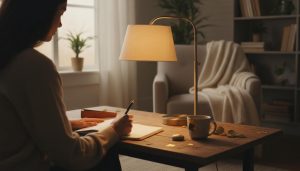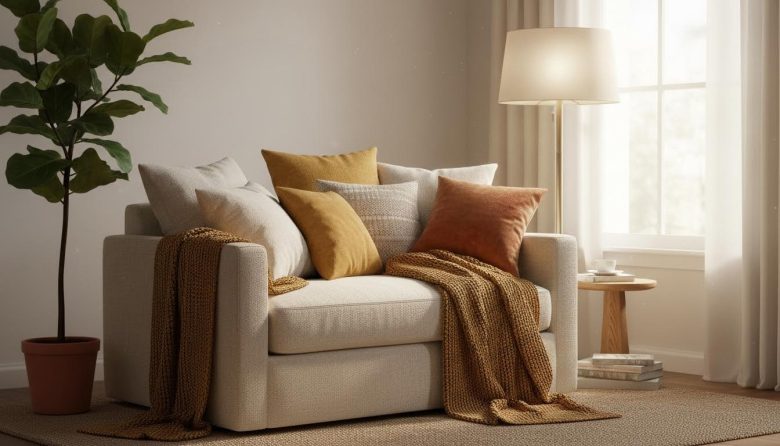
A couple of years back, I was stuck in a loop of evening overthinking. My living room felt like a chaotic hub—work emails buzzing on my phone, bright lights glaring, and no clear spot to unwind. Then I carved out a simple 6×6-foot cozy corner in the corner of my apartment living room using an old armchair, a soft rug, and a lamp. Within a week, my pre-bed rumination dropped by half; I fell asleep faster and woke up steadier.
This setup taps into how our brains respond to dedicated relaxation zones. It often signals safety, helping shift from the day’s stress response to a calmer state with lower cortisol levels. In this article, I’ll walk you through why it helps, how to pick your spot, layer in comfort, add ambiance, personalize smartly, a quick do’s and don’ts table, and ways to make it a habit. Try sketching your own nook this week and note your evening mood shifts—small changes like this can build real calm.
Why a Cozy Corner Tames Your Evening Stress Response
A dedicated cozy corner works by cueing your nervous system toward rest. When you consistently use one spot for unwinding, your brain starts associating it with safety, often activating the parasympathetic response—the “rest and digest” mode that counters daily fight-or-flight tension. This can help dial down cortisol, the stress hormone that peaks in evenings if you’re still mentally wired.
Light plays a big role here too. Dim, warm lighting mimics sunset, supporting your circadian rhythm’s natural wind-down and melatonin production. In my routine, I limit sessions to 20 minutes; it reliably eases my mind without dragging into bedtime procrastination.
Studies on environmental cues back this—consistent spaces reduce cognitive load, letting habits form faster. You may notice steadier energy as your body learns to relax on cue. It’s not magic, but a practical nudge toward better evenings.
Scout the Right Nook: Location Tips That Fit Real Homes
Start by walking your space at dusk to spot natural fade-out areas. Look for quiet corners away from high-traffic zones like kitchens or entryways. A window alcove works well if it gets soft evening light but avoids direct drafts.
In my apartment, I tucked mine near a bookshelf, shielded by a room divider for privacy. What to try: cluster an armchair with a side table by a window; use a floor lamp in a hallway nook; or repurpose under-stairs space with cushions. These keep it compact, around 4×6 feet max.
For apartments, test airflow—stuffy spots can backfire. Pair this with simple tips for good posture throughout your day to ensure your nook supports upright relaxation without slouching strain. Quiet locations tend to amplify the calm effect.
Measure twice: ensure 2-3 feet clearance for easy access. This scouting step prevents rework and sets up success from day one.
Layer in Comfort: Seating and Textiles for Effortless Sink-In
Comfort starts with seating that cradles without swallowing you. Opt for breathable fabrics like cotton or linen throws over firmer cushions— they invite sinking in without overheating. Ergonomic basics, such as lumbar support pillows, keep your back aligned during 20-30 minute sits.
What to try: drape an oversized knit throw for texture; swap rigid pillows for memory foam ones; layer a plush rug underfoot; add sheepskin for feet if winters are chilly. I tested these in my setup—a $15 throw transformed my old chair into a hug.
Safety note: choose firm back support to avoid neck strain, especially if reading. Test for allergies with natural fibers first. These layers create tactile cues that signal “relax now,” often deepening the unwind.
Build gradually: start with one swap weekly. You’ll feel the difference in how readily your body settles. It’s realistic for any budget, focusing on feel over fancy.
Extend this ease by incorporating elements from a beginner’s guide to gentle daily yoga flows, like a yoga blanket for added coziness during light stretches in your nook.
Craft Gentle Ambiance with Light, Scent, and Subtle Sound
Warm lighting around 2700K kelvin sets a sunset glow, tricking your eyes into evening mode. Layer it: a floor lamp plus table light for depth, avoiding harsh singles. Scents like lavender or chamomile from diffusers can subtly soothe via the olfactory path to your limbic system.
What to try: place a Himalayan salt lamp for soft pink glow; use a reed diffuser with citrus-herb blends; play white noise via a small fan or app at 40-50 decibels; string battery LED lights along edges; mist pillow with linen spray. My go-to is a $10 oil warmer—calms racing thoughts reliably.
Subtle sound masks distractions without overwhelming. Nature tracks or soft instrumentals work best. Safety/when to be cautious: test scents for 10 minutes to check allergies or migraines; keep volumes low to protect hearing over time.
Dim gradually over 10 minutes for circadian support. This ambiance often amplifies relaxation twofold. Experiment to match your senses—track what eases you most.
These elements weave a multi-sensory net, making your corner a stress magnet in reverse.
Personalize Without Clutter: Books, Plants, and Screen Rules
Keep it meaningful: one shelf of favorite books, a low-maintenance plant like pothos, and no screens. Clutter spikes mental busyness, so limit to 3-5 items total. This curation signals focus on you, not stuff.
What to try: stack 2-3 journals for evening prompts; add a snake plant for air flow and zen; use a low-EMF reading lamp; ritualize with herbal tea steeping. I ditched my phone charger nearby—sleep improved instantly as blue light vanished.
Screen rules: charge devices elsewhere; opt for paper over e-readers if tempted. Plants add humidity and visual calm, often lifting mood via biophilia. Personal touches like a photo frame ground the space emotionally.
Avoid overload: rotate items monthly. This keeps energy fresh without tipping into chaos. It’s the polish that makes routines stick.
Cozy Corner Do’s and Don’ts at a Glance
Here’s a quick-reference table from my trial-and-error setups. It contrasts smart moves with pitfalls, with reasons rooted in how our bodies respond. Use it to audit your nook fast.
| Do | Don’t | Why It Tends to Help |
|---|---|---|
| Dim layered lights (2700K) | Bright overhead fluorescents | Cues melatonin rise, reduces eye strain for faster wind-down |
| Breathable throws and rugs | Synthetic heavy blankets | Prevents overheating, supports skin comfort in parasympathetic shift |
| One meaningful plant or book | Pile of unread magazines | Lowers visual clutter, fosters calm focus without decision fatigue |
| Subtle scent diffuser | Strong candles | Gentle aroma soothes limbic system safely, avoids headaches |
| Firm lumbar pillow | Beanbag only | Maintains posture, prevents back twinges during extended sits |
| White noise under 50dB | TV or podcasts | Masks distractions softly, eases brain into rest without stimulation |
| Screen-free zone | Phone nearby | Cuts blue light and notifications, protects circadian melatonin |
| 20-30 min timed use | Open-ended lounging | Builds habit cue, avoids bedtime creep |
Refer back as you build—my corner hit peak calm after applying these. They sharpen contrasts for quick wins.
Ease It Into Your Nights: Routines That Stick
Time your nook 60-90 minutes pre-bed to bridge day and sleep. Start with 10 minutes: dim lights, settle in, breathe deeply. Build to 20-30 with a ritual like journaling one gratitude.
Track simple signals—rate evening tension 1-10 before/after, note sleep quality. I log in a bedside notebook; patterns emerged in days. Link to how to build a relaxed 5-minute morning stretch routine by starting evenings with a gentle seated twist here.
Make it stick: cue with a specific mug or playlist. If skipped, no guilt—restart next night. Consistency often yields calmer mornings.
Experiment this week: tweak one element daily, journal shifts in energy or mood. You’ll find your groove, turning evenings into recharge zones.
Frequently Asked Questions
Can I set up a cozy corner in a tiny apartment?
Yes, it often works well in small spaces using floor cushions or a single chair against a wall. Prioritize vertical storage like wall shelves for books to save floor room. Guardrail: ensure good airflow to avoid stuffiness—crack a window if needed.
What if I share space with family?
Flexible setups shine here—use portable screens, folding chairs, or baskets for quick pack-away. Communicate boundaries gently, like “this corner’s my 20-minute unwind.” It tends to model calm for everyone.
How soon will I notice relaxation benefits?
Many see shifts in 3-7 days with daily use, like easier sleep onset or less rumination. Track your own pace via mood logs, as it varies by stress levels. Patience helps—bodies adapt gradually.
Any budget-friendly lighting options?
LED string lights or clip-on lamps under $20 deliver warm tones effectively. Thrift beeswax candles add flicker if flame-safe. Focus on kelvin rating over cost for circadian perks.
Is this safe if I have pets or allergies?
Pet-proof with washable fabrics and raised plants; test scents for 5 minutes first. Choose hypoallergenic fills if prone to reactions. Consult a doc for severe issues, but most tweaks keep it low-risk.