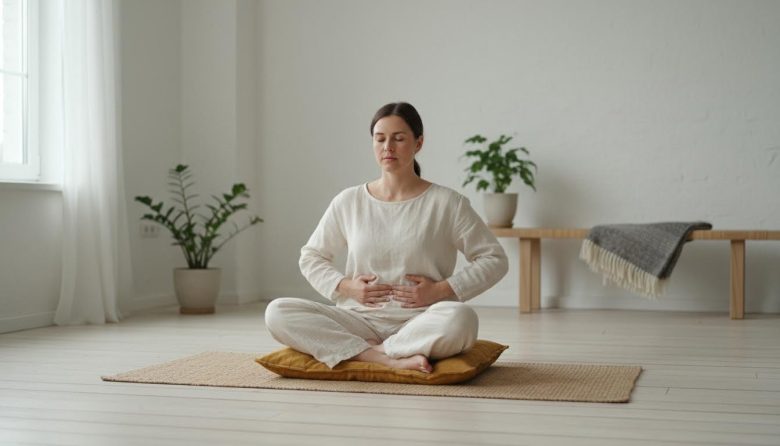
I remember rushing through my morning last Tuesday, juggling coffee, emails, and a looming deadline. My heart raced like it always did in those moments, tension building in my shoulders. Then I paused for just two minutes of mindful breathing—inhale for four, hold, exhale slow—and everything shifted. The knot loosened, my focus sharpened, and I faced the day steadier.
Mindful breathing is that simple tool anyone can grab to dial down stress. It involves noticing your breath without forcing it, often helping regulate the body’s stress response. You don’t need gear or hours; a few aware breaths can bring calmer energy through the day.
In this guide, we’ll cover why it sparks calm, the basic science, first steps to awareness, a handy comparison of beginner exercises, ways to fit them into chaos, safety notes, and tracking tips. Benefits like steadier mood and better sleep often emerge with light practice. Try one exercise today—note how your energy feels after.
These routines have transformed my own hectic schedule, from desk slumps to bedtime wind-downs. They’re realistic for everyday life, tested in my routine over months.
The Breath You Overlook: Why Tuning In Sparks Everyday Calm
Your breath runs on autopilot, yet tuning in can shift your whole system. It connects directly to the autonomic nervous system, which handles fight-or-flight versus rest-and-digest modes. When you breathe mindfully, it often activates the vagus nerve, promoting a parasympathetic response that eases tension.
Think of it like flipping a switch from wired to calm. In my routine, after a tense work call, I take five slow breaths. Tension in my chest fades, and clarity returns almost every time.
This isn’t magic—it’s a built-in tool your body knows well. Studies show slow breathing can lower heart rate variability in minutes, signaling relaxation. For beginners, starting here builds a foundation before fancy techniques.
From there, understanding the science makes it stick even more.
Breath Science Basics: How Inhales and Exhales Steady Your System
Breathing influences oxygen flow, which ties into circadian rhythms and hormone balance. Deep inhales boost oxygen to the brain, while long exhales help modulate cortisol, the stress hormone. This combo often supports steadier mood and energy.
Pair it with morning light exposure for synergy—I’ve tested this before coffee, feeling more grounded. Breathing syncs with natural cycles, like easing into sleep by slowing breaths at dusk.
Careful qualifiers apply: it may help regulate mood for many, but results vary by person. In my routine, evening breaths cut caffeine jitters, leading to faster sleep onset.
These basics set up awareness practices perfectly.
First Steps to Breath Awareness: Notice Without Changing
Start by building a baseline—simply notice your breath as it is. Sit comfortably, close your eyes if you like, and scan your body for sensations: chest rising, belly expanding, nostrils cooling on inhale.
Try these three prompts: Where do you feel the breath most? Is it short and shallow or deeper? Does it change with thoughts? No need to fix anything yet.
In my desk slumps, a one-minute check-in fixed posture and fog. I track mood before and after—often lighter right away. When considering the Beginner’s Guide to Gentle Breathing Practices, these awareness steps are the gentle entry point.
This noticing leads naturally to structured exercises.
Your Beginner Toolkit: Breathing Exercises Side by Side
I’ve tested these four core techniques in my daily routine, from mornings to stress spikes. They suit beginners with clear steps and quick wins. Use the table below to pick what fits your day—compare ease, time, and scenarios.
Each one targets calm through rhythm: box for focus, 4-7-8 for sleep prep, diaphragmatic for anytime depth, alternate nostril for balance. Experiment one per week, noting energy shifts. Post-table tips help you start.
| Technique | Quick How-To | Duration | Best For |
|---|---|---|---|
| Box Breathing | Inhale 4 counts, hold 4, exhale 4, hold 4. Repeat smoothly. | 2-5 minutes | Focus during work breaks or pre-meetings |
| 4-7-8 Breathing | Inhale 4, hold 7, exhale 8 through pursed lips. Gentle pace. | 4 minutes (4 cycles) | Evening wind-down or anxiety spikes |
| Diaphragmatic Breathing | Hand on belly, inhale to expand it, exhale to draw in. Nose breaths. | 3-10 minutes | Anytime tension release, like desk hours |
| Alternate Nostril Breathing | Close right nostril, inhale left; close left, exhale right. Switch. | 5 minutes | Midday balance or clearing mental fog |
After the table, pick one: match “Best For” to your routine. I rotate box breathing mornings, 4-7-8 nights—energy stays even. Track with a phone note: calmer? Sleepier? Tweak as needed for realism.
This toolkit flows into real-life slots next.
Slotting Breath Pauses Into Real-Life Chaos
Real life doesn’t pause, so weave breaths into chaos. Here are four actionable ideas from my tested routine:
- Commute breaths: At red lights, do three diaphragmatic rounds. Eases road rage, sets calm tone.
- Meal preludes: Before eating, five box breaths. Improves digestion, mindful bites.
- Bedtime wind-down: 4-7-8 for four cycles. Often shortens sleep latency in my log.
- Post-task reset: Alternate nostril after emails. Clears head for next thing.
These take under two minutes each. For busier days, see how the How to Fit Fun Movement into Busy Schedules pairs breath pauses with walks.
Track energy after a week—small shifts add up. Safety comes next to keep it sustainable.
Gentle Guardrails: When Breathing Feels Off, Pause Smartly
Most find these helpful, but listen to your body. If dizziness hits, slow the pace or shorten holds—it’s common at first.
For respiratory issues like asthma, check with a doctor first. Non-alarmist rule: ease in, stop if uncomfortable. My routine skips holds on tough days.
These guardrails ensure safe, steady practice.
Tracking Your Breath Wins: Simple Signals Over Perfection
Perfection kills habits—track simple signals instead. Weekly log: mood pre/post breath, sleep quality, energy peaks.
I use an app-free notebook; after two weeks, patterns emerge like better focus post-morning breaths. Tweak based on that—no rigid rules.
Light experimentation shines here. Try tying to the 30-Day Gentle Stretch and Breathe Challenge Plan for momentum.
Frequently Asked Questions
How often should beginners practice mindful breathing?
Daily short sessions often build the habit best. Start with 5 minutes once or twice a day, adjusting based on your energy and schedule. Consistency matters more than length—many like me see steadier calm in a week.
Can these exercises help with anxiety or racing thoughts?
They may interrupt stress cycles for some by activating relaxation responses. Combine with short walks if thoughts persist. Results vary, so track what works in your routine.
What if I can’t focus during breathing—am I doing it wrong?
A wandering mind is completely normal, even for pros. Gently return to the breath without judgment—it’s the practice itself. Over time, focus strengthens naturally.
Do I need a quiet space or special app to start?
No, these work anywhere—commutes, desks, beds. I use just a phone timer in my routine. Noise fades with practice.
How long until I notice calmer days from this?
It varies by person and consistency; many notice mood lifts in 1-2 weeks. Factors like sleep and stress play in—track your signals for personal timelines. Patience pays off.